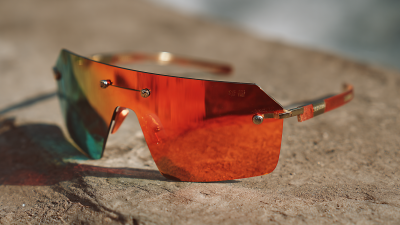
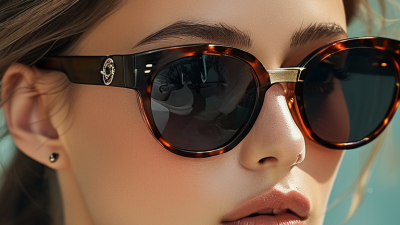
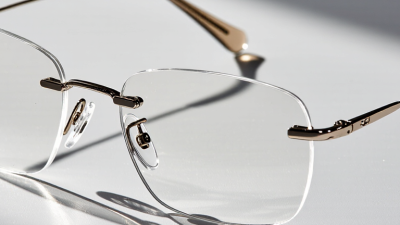
7 Tips for Choosing Rimless Sunglasses
Rimless Sunglasses offer a light, understated look, but their minimal design makes fit and lens choice especially noticeable. Without a full frame around the lenses, small details can change how the glasses sit and feel. A bridge that presses against your nose, or temples that grip too tightly, may become distracting during a long walk or drive. Small details matter.
These seven tips will help you compare lens shape, bridge fit, temple comfort, lens protection, and construction before you buy. Check that the lenses provide stated UV protection, and ask an optician whether a particular pair suits your prescription and daily needs. Screws and lens attachments also deserve a close look; delicate-looking does not always mean poorly made, but regular handling can reveal weak points. Looks are not everything.
Face shape can guide your choice, though it is only a starting point. A style that looks balanced in a product photo may feel different on your own face. Try the glasses on, move your head, and notice whether the lenses stay comfortably in place. If you shop online, review measurements and return terms instead of relying on appearance alone. There is no perfect pair for everyone. The best choice balances clear vision, dependable protection, comfortable fit, and a style you will actually enjoy wearing.
Determine How and Where the Sunglasses Will Be Used
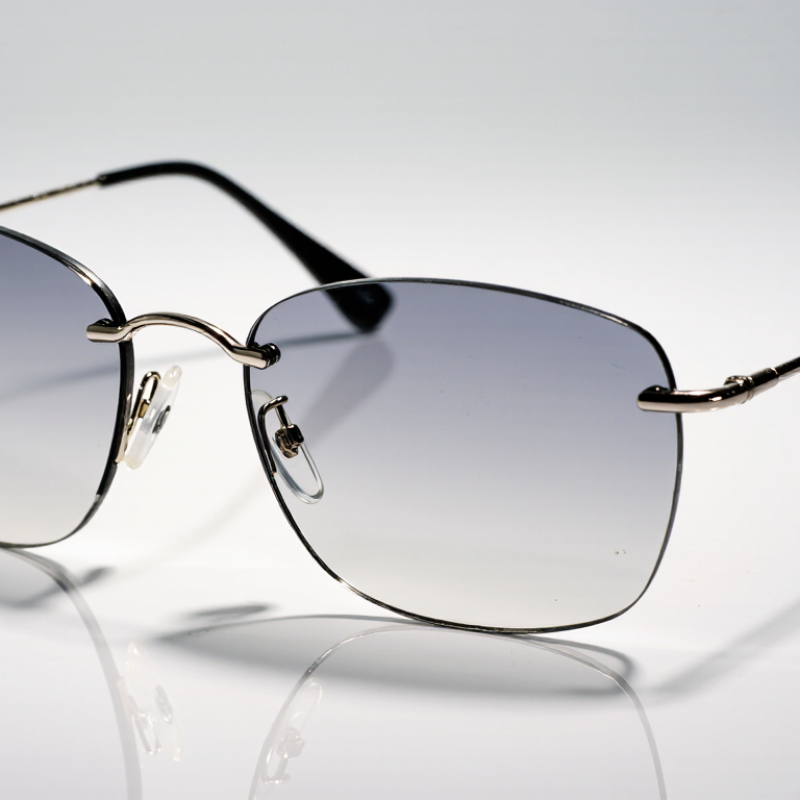
Before choosing rimless sunglasses, picture where you will wear them most. For driving, clear lenses and a secure fit help keep your view comfortable; polarized lenses can reduce reflected glare from roads and water. Polarization is not UV protection, though. Check the lens label for 99–100% UVA and UVB protection or UV400. The World Health Organization estimates that up to 20% of cataracts may be linked to overexposure to ultraviolet radiation. That makes protection a practical priority, not a style detail.
Tip: Match the frame to the setting. For a windy beach walk, look for lenses with enough coverage to limit light entering around the sides. For a short commute or indoor use, a lighter rimless design may feel less obtrusive. Check the bridge and temples for a stable fit; a frame that slips when you look down can become irritating fast.
Think about activity, too. Rimless lenses have little frame material around their edges, so frequent handling or active use may call for extra care. A soft case helps protect them in a bag. One easy mistake is choosing only by appearance. Try the sunglasses on, turn your head, and check whether they stay in place. That small test is useful, though it cannot replace checking the UV rating.
Select a Lens Shape and Coverage That Suit Your Needs
Lens shape affects more than appearance; it changes how much of your vision the frame covers. Round or oval lenses can feel softer and suit everyday wear, while rectangular shapes often provide broader horizontal coverage. Try them on and look down, then turn your head toward a bright window. If sunlight slips easily around the sides, the lenses may be too narrow for outdoor use.
Coverage matters most when you spend time near water, snow, or open roads. Larger lenses can help reduce light entering from above and below, but size alone does not guarantee protection. Check that the lenses offer 100% UVA and UVB protection, and ask an optician to verify the fit. Polarization can reduce reflected glare, though it does not replace UV protection. Small but important.
With rimless sunglasses, lens edges are exposed, so choose a shape that feels secure and balanced on your face. The lenses should not rest on your cheeks when you smile, and the temples should stay comfortable without pinching. I would not choose a dramatic shape based on a mirror glance alone; it can look different while walking or driving. A slightly wider lens may feel less stylish at first, but it can offer more useful coverage. That trade-off is worth testing.
Compare Lens Materials, Tints, and UV Protection
7 Tips for Choosing Rimless Sunglasses
Compare Lens Materials, Tints, and UV Protection
Rimless frames leave more lens edges exposed, so material matters. Polycarbonate is light and impact-resistant; glass can offer crisp optics but is heavier and may chip. For everyday wear, ask an optician about lens durability and fit. A loose screw or chipped edge can turn a comfortable pair into a constant annoyance.
Tip: Check UV claims before comparing tints. The National Eye Institute recommends sunglasses that block 99–100% of UVA and UVB rays. Dark lenses alone do not guarantee protection, and polarization mainly reduces reflected glare. A brown tint can boost contrast outdoors; gray tends to preserve natural color. Pick the shade that suits your setting, not just the mirror.
The WHO and World Meteorological Organization recommend sun protection when the UV Index reaches 3 or higher. On bright days, look for clear UV labeling, such as 100% UVA/UVB protection or UV400, and check that lenses cover the sides of your eyes. Lens tint can feel reassuring, but it is not a substitute for verified UV blocking. Ask about the standard used if the label is vague.
7 Tips for Choosing Rimless Sunglasses - Compare Lens Materials, Tints, and UV Protection
| Tip |
What to Compare |
Useful Facts |
What to Look For |
| 1 |
Lens material |
Polycarbonate is lightweight and impact-resistant. CR-39 plastic generally offers good optical clarity but is less impact-resistant than polycarbonate. Glass is typically scratch-resistant, but heavier and more likely to break on impact. |
Choose a material suited to your activities. For sports or active use, consider impact-resistant lenses and check that the eyewear is intended for that use. |
| 2 |
UV protection |
Lens darkness does not indicate UV protection. A UV400 label indicates protection against ultraviolet rays up to 400 nanometres, covering UVA and UVB wavelengths. |
Look for a clearly stated UV400 or 100% UVA/UVB protection claim. If the label is unclear, ask an optician or the seller to verify it. |
| 3 |
Lens tint |
Grey tints tend to preserve color perception, while brown or amber tints can increase perceived contrast in some conditions. Tint choice does not replace UV protection. |
Select a tint based on comfort and typical lighting. Try the lenses outdoors when possible to judge color and brightness. |
| 4 |
Light transmission category |
Lens categories describe how much visible light passes through. Category 2 suits moderate sunlight; Category 3 suits bright conditions. Category 4 is for very intense glare and is not suitable for driving. |
Check the lens category on the product information. For everyday driving, choose lenses suitable for road use and avoid Category 4. |
| 5 |
Polarization |
Polarized lenses reduce reflected glare from flat surfaces such as water and roads. Polarization is separate from UV protection, so polarized lenses still need a verified UV-protection rating. |
Consider polarization for fishing, boating, or frequent driving in bright conditions. Check that screens and instrument displays remain easy for you to read. |
| 6 |
Rimless mounting and lens shape |
Rimless frames hold lenses at attachment points rather than around the entire lens edge. This can make the design feel light, but drilling or mounting points may be more vulnerable to stress. |
Check that the lenses sit securely, the bridge and temples feel stable, and the frame fits without slipping. Follow the maker's care instructions and avoid overtightening screws. |
| 7 |
Fit and coverage |
UV protection depends on the lenses, but sunlight can also reach the eyes from the sides or above. A close, comfortable fit can help reduce that exposure. |
Choose a lens size and shape that cover the eyes well without touching your cheeks or obstructing your view. For extended outdoor exposure, consider a wraparound style. |
Assess Frame Construction, Fit, and Long-Term Durability
7 Tips for Choosing Rimless Sunglasses
Assess Frame Construction, Fit, and Long-Term Durability
Rimless sunglasses rely on small joints, screws, and lens drill points instead of a surrounding frame. Inspect each connection closely. Look for smooth, reinforced holes and lenses without chips or hairline cracks near the mounts. A clean look can hide a weak hinge. Gently open and close the temples; they should move evenly, without wobbling or catching. Avoid frames that feel twisted when placed on a flat surface. A tiny misalignment can become irritating after hours of wear.
Fit matters as much as construction. The bridge should sit securely without pinching, and the temples should rest comfortably behind your ears. Bend your head forward; the glasses should stay put. For lens protection, check the stated UV rating and consult ISO 12312-1, the international standard for general-use sunglasses.
A 2023 WHO/ILO analysis estimated that 1.6 billion workers experienced occupational solar UV exposure in 2019. That figure concerns workers, not sunglass performance, but it shows how common sustained outdoor exposure is.
Rimless designs can also be less forgiving after knocks. Store them in a hard case, and have loose screws adjusted by an optician. I may be overcautious here; still, a sturdy case is cheaper than a replacement lens.
Choose Bridge and Temple Designs That Fit Your Face
A rimless pair can look almost weightless, but its bridge still has a big job. It should sit securely without pinching or sliding toward the tip of your nose. If your nose bridge is low or fairly flat, adjustable nose pads can help lift the lenses and keep them centered. For a narrower bridge, check that the pads do not press sharply against the sides of your nose. Comfort matters more than a perfectly straight look in the mirror.
Temple design affects balance, too. Straight temples may suit ears that sit close to the head, while gently curved ends can help keep glasses in place during a walk. The frame should feel even, not tight behind your ears. Try turning your head and looking down; the lenses should stay level. A small shift is useful feedback.
Face shape can guide proportions, but it is not a rulebook. Wider faces often need longer temples and a bridge that does not pull the lenses inward. Narrower faces may feel overwhelmed by widely spaced lenses. I once assumed a tighter fit meant better stability, but it only left pressure marks. That was a poor test. Wear the glasses for several minutes, then check for slipping, pinching, and uneven lens height. If possible, ask an optician to adjust the pads and temples; tiny changes can make a noticeable difference.
7 Tips for Choosing Rimless Sunglasses: Bridge and Temple Fit
Common reference measurements for choosing a comfortable fit
Example bridge widths commonly range from about 16–24 mm, while temple lengths often range from about 135–150 mm. These are general sizing references, not universal rules. Try on frames when possible: the bridge should sit securely without pinching, and the temples should reach comfortably over your ears without pressure.