Leave Your Message

How to Choose Navigator Sunglasses in 2026?

Choosing the right Navigator Sunglasses in 2026 requires more than following a fashionable frame shape. The ideal pair should protect your eyes, remain comfortable, and suit the places you actually visit. A wide navigator frame may look impressive on a city street, yet feel heavy during a long coastal drive. Small details matter.

Optometrist and eyewear specialist Dr. Susan Resnick offers a practical reminder: “The best eyewear is the eyewear people will consistently wear.” That principle should guide every decision. Look for lenses offering 100% UVA and UVB protection, preferably marked UV400. Polarized lenses can reduce glare from roads, water, and bright glass surfaces. However, polarization does not automatically guarantee complete ultraviolet protection.

Fit comes next. Check whether the bridge sits securely without leaving painful pressure marks. The temples should rest evenly behind your ears. Your eyelashes should not touch the lenses when you blink. Try the sunglasses for several minutes, not just several seconds. That brief test can reveal slipping, pinching, or unwanted weight.

Frame material also deserves attention. Acetate can provide a richer finish, while lightweight metal may feel cooler and more flexible. Still, labels can mislead. “Premium” does not always mean comfortable. Personal face shape, prescription needs, and daily activity remain more important than branding.

This guide will compare lens performance, frame proportions, durability, styling, and value. It will also question popular assumptions. A dramatic navigator silhouette may not suit every face. That is fine. The best choice is rarely the loudest one; it is the pair that protects your vision and disappears comfortably into your routine.
How to Choose Navigator Sunglasses in 2026?

Define Navigator Geometry: Brow Line, Double Bridge, and Lens Coverage

How to Choose Navigator Sunglasses in 2026?

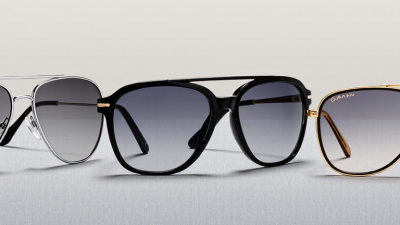
Navigator sunglasses are defined by three details: a strong brow line, a double bridge, and generous lens coverage. The brow line should follow your eyebrow without pressing it. It creates visual weight across the upper face. A double bridge adds structure above the nose, but it can look crowded on narrow facial features. Try the frame with your head level. If the bridge touches your cheeks, the geometry is wrong.

Lens coverage matters beyond appearance. Larger lenses shield more of the eye area from stray sunlight, especially near water, roads, and open pavement. The World Health Organization reports that at least 2.2 billion people live with near or distance vision impairment. Its eye-health guidance also links ultraviolet exposure with cataracts and other damage.

Choose lenses marked UV400 or 99–100% UVA and UVB protection. Polarization reduces glare. It does not replace UV protection.

The Vision Council’s 2024 Consumer Insights reporting indicates that about 80% of U.S. adults wear sunglasses, making fit a daily-use issue rather than a styling detail.

During fitting, check whether the brow line stays stable when you smile. Check the lower rim, too. I often prefer slightly less coverage than expected, because oversized lenses can create distracting edge reflections. That judgment is not perfect. Face shape, prescription needs, and personal comfort still deserve priority.
Confirm UV400: 99–100% UVA/UVB Blocking Under ISO 12312-1

How to Choose Navigator Sunglasses in 2026?

Confirm UV400: it should block 99–100% of UVA and UVB radiation up to 400 nanometers. This protection matters more than lens color or a dramatic frame shape. Dark lenses can reduce visible brightness without blocking ultraviolet rays. That combination may leave your eyes exposed while everything looks comfortably shaded. Look for clear UV-transmission details, not only a printed UV400 label.

ISO 12312-1 is a useful reference for general-purpose sunglasses. Ask whether the finished sunglasses were tested against this standard, including ultraviolet transmission and optical quality. Reliable sellers should provide understandable test information, not vague phrases such as “full protection.” Check the lens surface for scratches, bubbles, or uneven tint. Small flaws can become distracting during driving or long outdoor walks.

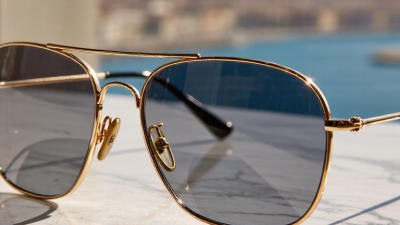
Navigator frames usually have a broad shape and a firm bridge. They should sit evenly without pressing your temples or sliding when you look down. Try them near a bright window, then inspect reflections from different angles. Polarization can reduce glare from water and roads, but it does not replace UV400 protection. This is easy to forget. Even careful buyers may trust appearance too quickly. A comfortable frame is useful, but verified protection deserves the final decision.

Select ISO 12312-1 Tint Categories 0–4 for Your Light Conditions

How to Choose Navigator Sunglasses in 2026?

Select ISO 12312-1 Tint Categories 0–4 for Your Light Conditions

Navigator sunglasses should match the light, not merely your outfit. ISO 12312-1 classifies filters by luminous transmittance.

Category 0 allows 80–100% light transmission. It suits indoor use or cloudy streets.
Category 1 transmits 43–80% and works during mild, changeable weather.
Category 2 allows 18–43%, making it practical for ordinary sunny days.
Category 3 transmits 8–18% and suits beaches, mountains, and strong summer glare.
Category 4 permits only 3–8% light transmission. It is designed for extremely bright environments, not driving.

The World Health Organization’s World Report on Vision identifies at least 2.2 billion people with vision impairment globally. Glare can make outdoor tasks harder, even without poor eyesight. ISO 12312-1 also addresses optical quality and UV protection, so category darkness alone is not enough. A very dark lens can still be poorly made. That is an easy detail to overlook.

Tips: Check the lens marking and ask for documented ISO compliance. Try the glasses near a bright window. Look for doubled edges or bending lines. For driving, choose categories 0–3, because category 4 is unsuitable. I once preferred darker lenses for comfort, but they reduced detail in shaded roads. My judgment was not perfect. Fit matters too: a close, stable frame limits side glare, while loose lenses allow bright light around the edges.

Prioritize Impact Safety: Polycarbonate Resists Up to 10× More Than Plastic

How to Choose Navigator Sunglasses in 2026?

When choosing navigator sunglasses, impact safety should come before color or lens style. Polycarbonate lenses can resist impacts up to 10 times more than some conventional plastic lenses, depending on the testing method. This difference matters near cycling paths, construction areas, or windy beaches with flying grit.

I learned this after a small stone struck my sunglasses during a coastal ride. The lens did not crack, but the frame shifted and exposed part of my eye. Since then, I check both lens material and frame coverage. Look for clearly stated impact-testing information, secure hinges, and lenses that sit firmly without pressing your cheeks. Polycarbonate is lightweight, too, which helps during long outdoor use.

Do not treat strong lenses as unbreakable. Scratches can weaken visibility, and a poor fit can leave dangerous gaps around the eyes. I still make the mistake of judging sunglasses by appearance first. A broad navigator shape may look protective, yet its side coverage can vary significantly. Try moving your head quickly before buying. The sunglasses should stay stable without feeling tight.

Choose lenses with reliable UV protection and inspect them under bright light for distortion. If the product gives vague safety claims, pause and ask for test details. A clear specification is more trustworthy than dramatic advertising.

How to Choose Navigator Sunglasses in 2026?

Prioritize impact safety: polycarbonate lenses are widely selected for protective eyewear, but the safety standard and certified test result matter more than material claims alone.

The chart compares published impact-test velocities, not a universal ranking of lens materials. ANSI Z87.1 high-impact testing uses a 6.35 mm steel ball at 45.7 m/s, while EN 166 high-energy testing uses a 6 mm steel ball at 120 m/s. When choosing navigator sunglasses, look for polycarbonate lenses with clear impact-test compliance, proper coverage, and secure frame fit. Actual protection depends on the complete eyewear design and certification.

Validate Fit and Compliance: ANSI Z87.1, CE, Bridge Width, and Temple Grip

How to Choose Navigator Sunglasses in 2026?

Navigator sunglasses should fit securely before they look stylish. I check the bridge first, because pressure often appears after several hours. Measure your current frame’s bridge width and compare it with the new frame. A bridge that is too narrow can leave red marks. A wide bridge may slide when you bend forward. Small differences matter.

Tips: Try the sunglasses with your usual hairstyle and hat. Move your head quickly. The frame should stay level without painful pressure. Check the temple grip behind your ears, especially if you sweat during driving, cycling, or hiking. Rubberized contact points can help, but excessive grip may pull hair or irritate skin. That detail is easy to miss.

For protective use, inspect clear markings and supporting documents. ANSI Z87.1 indicates tested impact requirements, but ordinary tinted lenses may not meet every protective category. CE marking relates to applicable European conformity requirements, not a universal guarantee of performance. Ask the seller for the relevant test information. Do not rely on appearance alone. I once assumed a heavier frame would stay better, yet its loose temples caused constant adjustment. That judgment was wrong. Fit should be tested during real movement, not only in a mirror. Also check that the lenses do not touch your eyelashes. A comfortable bridge, stable temples, and verifiable compliance create a more dependable choice.