Leave Your Message

How to Choose the Best Navigator Sunglasses in 2026

Choosing Navigator Sunglasses in 2026 is about more than finding a frame that looks sharp. The right pair should sit securely, feel comfortable after hours of wear, and provide verified UV protection. Small details matter: the bridge should not pinch, the lenses should not distort straight edges, and the frame should stay put when you turn your head. A bold silhouette can be appealing. Poor fit gets old quickly.

Lens color, material, coverage, and fit all deserve a closer look. Dark lenses do not automatically provide stronger UV protection, so check the product’s stated protection rather than judging by appearance. Polarized lenses can reduce glare from roads and water, though they may affect how some digital displays look. Try the sunglasses in bright outdoor conditions if possible. Notice pressure at your temples. Look for a clear, stable view.

A useful rule for this guide is simple: “Choose the fit and protection you can verify, not just the style you can see.” This is editorial guidance, not a verified quotation from a named industry expert; no source material was provided to confirm an expert’s exact words. That distinction matters. Navigator Sunglasses should match your face, daily activities, and comfort needs—not a trend alone. And one honest caveat: sizing charts help, but they cannot replace trying a frame on.
How to Choose the Best Navigator Sunglasses in 2026

Understanding Navigator Sunglasses and Their Key Design Features

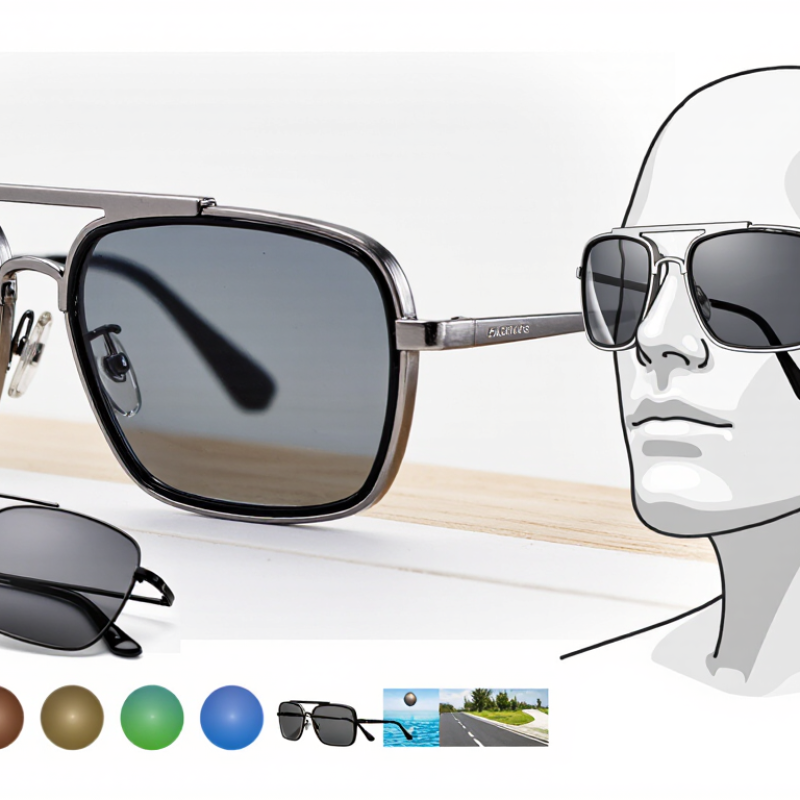
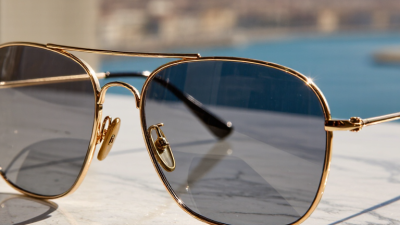
Navigator sunglasses are often defined by a broad, angular lens shape and a double bridge, though designs vary. The upper frame line gives them a structured look; gently curved lenses can soften it. Pay attention to proportions, not just the label. A frame that looks balanced on a display may feel oversized on your face. Fit comes first.

Bridge width and temple length affect comfort during everyday wear. The frame should sit securely without pinching your nose or pressing behind your ears. Check that your eyes look near the center of each lens and that the frame does not slide when you look down. Lens coverage matters too: larger lenses can help shield more of the area around your eyes, but fit and verified UV protection are more important than appearance alone. Materials change the feel; metal frames may be light, while acetate styles can feel sturdier. That is not a guarantee, though—construction varies.

Tips: Try the sunglasses on in daylight, then move your head gently. Check for slipping, glare, and clear vision. If you need prescription lenses or have fit concerns, ask an optical professional. One detail is easy to miss: a stylish frame can still feel wrong after an hour.

Choosing a Frame Size and Shape That Fits Your Face

Navigator sunglasses have a strong top bar and broad lenses, so proportion matters more than the number printed inside the frame. Start by measuring a pair that already feels comfortable. Compare its lens width, bridge width, and temple length with the new frame’s measurements. Small differences can change how the glasses sit.

For a balanced fit, the frame should roughly match your face width, without extending far beyond your temples. Round or oval faces often suit the angular lines of navigator frames. Square faces may feel more comfortable in softer corners or a slimmer frame. These are starting points, not rules. Try them on.

Check the bridge carefully. It should rest securely without pinching or sliding when you look down. Your cheeks should not push the frames upward when you smile. The lower rims should also leave a little breathing room beneath your eyes. Move your head gently; the temples should feel snug, not tight. A mirror helps, but side views matter too. Fit is not always obvious from the front.

One detail is easy to miss: a larger lens can look appealing but feel heavy after an hour. I’d reconsider size if the frame leaves red marks or keeps slipping, even when its shape looks right. No face-shape chart can replace a real try-on. A slightly imperfect match may still be the most comfortable one.

Comparing Lens Types, UV Protection, and Visual Performance

Choosing navigator sunglasses in 2026 means matching lens performance to where and how you use them. For everyday driving, neutral gray lenses often preserve natural color, while brown or amber lenses can make contrast easier to notice in changing light. Polarized lenses reduce glare from wet roads and water, but they may make some digital displays harder to read. Try them with your car’s screen before buying. Small detail, real difference.

UV protection matters more than lens darkness. Look for clear labeling that states 100% UVA and UVB protection or UV400; a dark tint alone does not guarantee it. For long outdoor days, wraparound coverage can help limit light entering from the sides. Lens material also affects weight and impact resistance, while an accurate prescription can improve clarity and reduce eye strain. Fit counts. Frames should sit steadily without pressing your temples or sliding when you look down.

Tips: Test polarized lenses against your phone and car display. Check that your eyebrows and cheeks do not push the frames out of place. If you move between shade and bright sun, photochromic lenses may be convenient, though they can change slowly and may darken less inside a vehicle. No single lens is ideal everywhere. I would not choose by tint alone; it is an easy mistake, and even good labels deserve a careful fit check.

How to Choose the Best Navigator Sunglasses in 2026

Compare lens filter categories, visible light transmission, UV protection, and visual performance.

The bars show standard visible light transmission (VLT) ranges: lower VLT means a darker lens and less visible light reaches the eye. Category 3 lenses suit bright conditions; Category 4 lenses are very dark and are not suitable for driving. Lens darkness does not indicate UV protection—look for a UV400 label or equivalent UV protection specification. Polarization can reduce reflected glare, but it does not replace UV protection.

Evaluating Frame Materials, Comfort, and Durability

How to Choose the Best Navigator Sunglasses in 2026

Frame material affects weight, flexibility, and how well sunglasses hold their shape. Acetate feels substantial and comes in many colors, but thick temples can feel heavy after hours of wear. Stainless steel offers a slimmer profile and resists everyday knocks, though it may need occasional adjustment. Titanium is light and strong, but a higher price does not guarantee a better fit. Check the hinges, too. They should open smoothly without wobbling.

Comfort is personal. The bridge should sit securely without pinching, while the temples should rest gently behind your ears. Try tilting your head and looking down; the frame should stay in place. Small details matter. A broad navigator shape can look balanced but may press against your cheeks when you smile. Lens weight also changes how a frame feels, so test the complete pair rather than judging the frame alone.

Durability depends on construction and care, not material claims alone. Look for even finishes, aligned lenses, and hinges that feel consistent on both sides. Ask whether the frame can be adjusted, especially if its fit is close but not quite right. There is no perfect frame. I might choose lightweight metal for long walks, then reconsider after noticing how easily its finish shows scratches. Store sunglasses in a hard case, and wipe grit away before cleaning to reduce lens and frame wear.

Matching Sunglasses to Your Activities, Budget, and Style

Navigator sunglasses should suit the places and activities where you will wear them. For driving or walking near water, polarized lenses can reduce reflected glare, though they may make some screens harder to read. For cycling, check that the frames sit securely beneath your helmet and do not block your side vision. Look for clear labeling that confirms full UVA and UVB protection. A good fit matters, too: the bridge should feel steady, and the lenses should not press against your cheeks.

Set a budget around features you will actually use. Compare lens clarity, frame comfort, hinge sturdiness, and the availability of replacement parts. A higher price does not guarantee a better fit. If you wear sunglasses for long stretches, try them on and check for pressure around your ears after several minutes. Small discomfort can become a daily annoyance. It is easy to give appearance too much weight.

Navigator frames have a distinctive double bridge, but their size and shape vary. Choose a width that follows your face rather than extending far beyond it. Neutral lens colors often work well for everyday errands, while lighter frames can feel less formal. For a practical test, move your head, look down, and check whether the frames stay in place. Style counts, but comfort usually gets the final vote.