
The global market for Reading Glasses is expanding with population ageing, longer screen use, and greater demand for affordable vision support. The World Health Organization reported in its World Report on Vision that at least 2.2 billion people live with near or distance vision impairment. Presbyopia remains a major contributor, especially among adults over 40. The United Nations also projects continued growth in the older population through 2050. These figures create substantial opportunities for international buyers, retailers, and optical distributors.
However, supplier selection requires more than comparing prices. The WHO stresses that uncorrected vision problems can affect education, work, safety, and quality of life. Reliable suppliers should therefore provide consistent lens powers, clear product labeling, stable frame construction, and documented quality controls. Buyers should review factory experience, sample performance, inspection records, packaging, and after-sales communication. ISO 16034:2019 offers relevant guidance for ready-to-wear spectacles, although compliance claims still require verification. Ask for evidence.
Market studies from Grand View Research and Research and Markets indicate continued growth in the global reading eyewear category, but their estimates differ because they use different product definitions. That uncertainty matters. No supplier is perfect. A low-cost frame may feel attractive, yet weak hinges or inaccurate lenses can create higher replacement costs. Strong suppliers combine scalable production with practical optical knowledge. This guide examines leading Reading Glasses suppliers for global buyers, focusing on product reliability, customization, certifications, order flexibility, and responsible sourcing. The goal is not simply to identify the cheapest factory. It is to find a dependable partner for repeated international purchases.
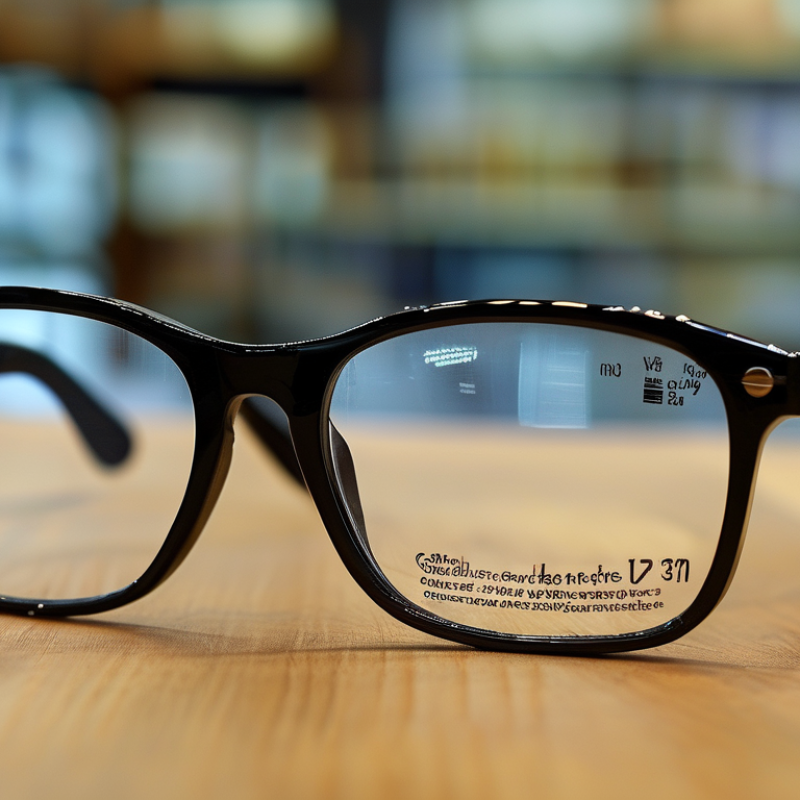
Reading glasses are non-prescription lenses designed to improve near vision. They help people read books, menus, labels, and phone screens more comfortably. Most use equal magnification in both lenses, unlike prescription eyewear for different eye conditions.
Common types include ready-made readers, bifocal readers, and progressive readers. Ready-made glasses are affordable and convenient for occasional use. Bifocal designs combine near and distance zones, while progressive lenses offer a gradual transition. Frame materials also vary, including lightweight plastic, flexible metal, and durable mixed materials. Each choice affects comfort, weight, and product lifespan.
Key features include lens power, optical clarity, frame fit, hinge strength, and nose comfort. Powers often range from low to high magnification, but stronger is not always better. A clear lens should reduce distortion near the edges. Spring hinges may improve durability during repeated opening and closing. Buyers should check measurements carefully, especially lens width and bridge size. A frame that slips while reading becomes frustrating quickly. Real-world testing still matters. Even experienced buyers can overlook pressure behind the ears or glare under office lighting. Suppliers should provide consistent specifications, quality checks, protective packaging, and clear guidance for selecting suitable readers. They should also explain when an eye examination is more appropriate than standard reading glasses.
Evaluating reading glasses suppliers requires more than comparing catalog prices. Request samples in several powers, then inspect lens clarity, frame alignment, hinge movement, and surface finish. Place the glasses on a flat table. Uneven temples often reveal weak assembly control. A reliable supplier should provide material details, lens specifications, inspection records, and clear packaging information.
Ask how the supplier manages optical power tolerances and batch consistency. Independent test reports can support these claims, but documents should match the actual factory and product. Check whether the supplier follows applicable safety, labeling, and packaging rules in each destination market. Communication also matters. Delayed answers may become costly after production begins. Discuss minimum order quantities, sample fees, lead times, replacement procedures, and shipping terms in writing.
Factory audits, video inspections, and production photos can improve confidence. Still, none offers complete certainty. A clean showroom may hide inconsistent quality during busy seasons. This is where small trial orders help. Track defect rates, carton damage, color variation, and delivery accuracy. I would not choose the cheapest offer automatically. A slightly higher unit cost may reduce returns and customer complaints. Even careful buyers can miss details, especially when translations are vague. Review every specification twice, and leave room for correction before approving bulk production.
Top Reading Glasses Suppliers for Global Buyers
Major Supplier Regions and Manufacturing Strengths
China remains a major sourcing region for reading glasses, offering integrated production from frame molding to lens assembly. Its factories often support large orders, varied magnifications, and private packaging. Many suppliers can adjust nose pads, temples, colors, and spring hinges quickly. Buyers should inspect hinge alignment, lens clarity, and diopter accuracy before approving bulk production. Scale helps, but quality can vary between factories.
Italy is recognized for refined frame design, polished acetate, and careful finishing. Smaller workshops may provide stronger attention to surface details and hand inspection. Japan offers precision manufacturing, lightweight materials, and disciplined optical testing. These advantages can suit buyers seeking consistent comfort rather than the lowest price. Production costs are usually higher. Delivery may also require longer planning.
Taiwan and South Korea contribute reliable component production, engineering support, and efficient quality systems. Their suppliers may excel at metal frames, flexible hinges, and compact packaging. In my sourcing experience, a factory tour reveals details that catalogs hide. Ask to see lens inspection records, aging tests, and recent shipment samples. A clean showroom is not proof of stable production. I have learned that even experienced buyers can overlook small issues, such as uneven coating or loose temples. Clear specifications, independent inspections, and realistic sample deadlines create stronger purchasing decisions.
| Major Supplier Region | Manufacturing Strength | Common Product Range | Typical Materials and Components | Production and Customization Advantages | Key Buyer Considerations |
|---|---|---|---|---|---|
| Eastern China Zhejiang, Jiangsu and nearby manufacturing clusters |
Large-scale production of ready-to-wear reading glasses, supported by mature supply chains for frames, lenses, cases and packaging. | +1.00 to +4.00 diopters Full-frame Half-eye Folding styles | Injected TR90 and nylon frames, stainless steel, aluminum, polycarbonate and acrylic lenses. | Competitive high-volume manufacturing, broad mold availability, private-label packaging and flexible order configurations. | Confirm lens power accuracy, coating consistency, hinge durability, packaging specifications and inspection procedures before shipment. |
| Southern China Guangdong and surrounding export-oriented areas |
Strong integrated capability for eyewear assembly, optical accessories, metal processing, plastic injection molding and export packaging. | Blue-light filtering Photochromic options Spring hinges Fashion collections | Acetate-style plastics, stainless steel, memory metals, polycarbonate and coated resin lenses. | Fast product development, extensive accessory sourcing, OEM and ODM support, and efficient consolidation of mixed product lines. | Ask for coating test results, material declarations, color approval samples and carton drop-test requirements for international distribution. |
| Northern China Shandong, Hebei and adjacent production areas |
Established capacity for economical optical products, standard frame styles and large replenishment programs. | Basic readers Over-the-counter styles Reading sunglasses Promotional ranges | Molded plastics, metal alloy frames, acrylic lenses and standard protective coatings. | Suitable for cost-sensitive programs, standardized SKUs and repeat orders with limited design changes. | Verify dimensional tolerances, optical center alignment, surface finish and the supplier’s capacity during seasonal demand peaks. |
| Italy Specialized European eyewear districts |
Strong design, prototyping and premium eyewear manufacturing, with established expertise in frame finishing and product presentation. | Premium readers Acetate frames Metal frames Designer-led formats | High-grade acetate, stainless steel, titanium and branded-quality optical lens materials without relying on company-specific data. | High attention to styling, finishing, color development, small-batch production and European-market presentation. | Buyers should expect higher unit costs and should confirm minimum order quantities, lead times, origin documentation and finishing standards. |
| Japan | Known for precision processing, quality control, lightweight construction and careful finishing of optical products. | Lightweight readers Titanium frames Compact designs Premium optics | Titanium, stainless steel, high-quality plastics and precision-finished resin or glass lens options. | Consistent workmanship, refined fit and finish, precise component assembly and strong reliability-oriented production processes. | Suitable for quality-focused buyers; confirm availability of required powers, customization limits and export documentation. |
| South Korea | Strength in contemporary frame design, lightweight materials, surface treatments and fashion-oriented optical product development. | Modern readers Slim frames Metal styles Trend collections | Stainless steel, titanium alloys, injected plastics and coated polymer lenses. | Fast design iteration, attractive color combinations, lightweight construction and strong presentation for fashion retail channels. | Review color consistency, plating or coating durability, hinge performance and compliance labeling for the destination market. |
| Taiwan | Experienced in optical component engineering, precision frame production, specialty materials and export-oriented OEM manufacturing. | Technical readers Flexible frames Sports-inspired styles Custom assemblies | Grilamid-type engineering plastics, stainless steel, titanium and polycarbonate-based lenses. | Good support for technical specifications, component matching, controlled production and medium-volume customization. | Confirm material grade, tooling ownership, engineering change procedures and test records for customized products. |
| India | Growing capability in molded eyewear, assembly, basic optical products and labor-supported finishing operations. | Basic readers Plastic frames Metal readers Value ranges | Molded plastics, stainless steel, alloy frames, acrylic and polycarbonate lenses. | Potential advantages for regional sourcing, value-focused product programs and selected labor-intensive assembly processes. | Assess optical inspection capability, consistency between production lots, supplier capacity and export packing practices. |
| Southeast Asia Vietnam, Thailand and neighboring manufacturing markets |
Expanding assembly and plastics manufacturing base, supported by regional supply chains and trade access to major markets. | Standard readers Plastic frames Metal-plastic combinations Retail multipacks | Injected plastics, stainless steel, aluminum alloys and resin-based lenses. | Useful for supply-chain diversification, regional production and selected medium-to-large volume programs. | Check the actual local processing content, component origin, production scale, lead-time reliability and applicable trade documentation. |
Global buyers need more than attractive frames when selecting reading glasses suppliers. Product standards reveal how seriously a supplier manages safety and consistency. Ask for lens power tolerances, material specifications, and test records before placing large orders. Reliable suppliers should explain applicable market requirements, labeling rules, and packaging controls clearly.
Documentation matters. It reduces surprises during customs checks and retail inspections. In my experience, a sample can look excellent while its lens strength varies between pairs. That weakness deserves direct questioning, not polite assumptions.
Customization should begin with practical user needs. Suppliers may adjust frame color, temple length, nose-pad design, lens power ranges, and packaging language. Provide approved drawings and a physical reference sample. Small details matter. A loose hinge can damage customer confidence quickly.
Buyers should confirm minimum order quantities, mold ownership, lead times, and replacement policies in writing. Some requests sound simple but change production costs sharply. I have seen elegant packaging hide an uncomfortable fit, so visual approval alone is not enough.
Quality assurance should continue from incoming materials to final carton inspection. Useful checks include lens power verification, frame alignment, hinge movement, surface defects, and drop resistance. Independent inspections can add confidence, especially for first orders or unfamiliar factories.
Keep retained samples from each production batch. They provide evidence when complaints appear months later. No process is perfect. A supplier that reports defects honestly may be more dependable than one promising zero problems. Review corrective actions, not just certificates, and match each shipment against agreed specifications.
Pricing depends on more than the quoted unit cost. Lens strength, frame material, packaging, and order quantity can change the final figure. Ask suppliers for a tiered quotation at several quantities. Request sample costs separately. Some suppliers refund sample fees after a confirmed order, but this is not universal. Confirm payment terms, production timing, and possible tooling charges in writing. Freight changes quickly.
Experienced buyers compare landed cost, not factory price alone. Include inland transport, export handling, insurance, duties, and destination delivery. A small carton measurement error can affect a full shipment. Request carton dimensions, gross weight, pallet details, and product classification before booking freight.
For repeated orders, test one shipment before building a large forecast. Forecasts are useful, but they are often wrong.
Reliable suppliers should provide consistent lens power, clear inspection records, and traceable batch information. Ask for pre-shipment photos and independent inspections when order value justifies them. Packaging should protect hinges and lenses during humid or cold transit. Verify labeling, consumer information, and safety documentation against the destination market’s current requirements. Rules differ by country. Do not rely on an old compliance file. One weakness remains: a polished sample may not represent mass production. Require written quality standards and a remedy process for defects. Small details matter.