Top 10 Clip On Glasses Manufacturers for Global Buyers
Clip-on Glasses offer prescription wearers a practical way to add sun protection without carrying a second pair. For global buyers, though, convenience is only the starting point. A clip that slips on a thick bridge or catches against a lens can turn a promising sample into slow-moving stock. Small details matter.
Industrial designer Charles Eames expressed a useful principle: “The details are not the details. They make the design.” That idea fits this category well. Buyers should look beyond the frame and compare clip alignment, hinge strength, lens coverage, weight, finish, and compatibility with different frame shapes. Ask manufacturers for clear specifications and physical samples; photographs rarely reveal a loose magnet or an awkward nose-bridge fit.
The manufacturers in this guide are considered through the practical needs of international sourcing: product range, customization, production capability, quality checks, and communication. Confirm materials, tolerances, packaging, and sample-to-order consistency directly with each supplier. Those checks take time. They can also expose gaps that a polished catalog hides.
No single factory will suit every market or price point. Some buyers may prioritize lightweight polarized options; others may need dependable designs for optical retail programs. The comparisons ahead are intended to help buyers ask sharper questions—not replace product testing or supplier verification. Even a well-made clip-on can fit poorly. That part deserves a real-world check.
What Clip-On Glasses Are and How They Serve Global Buyers
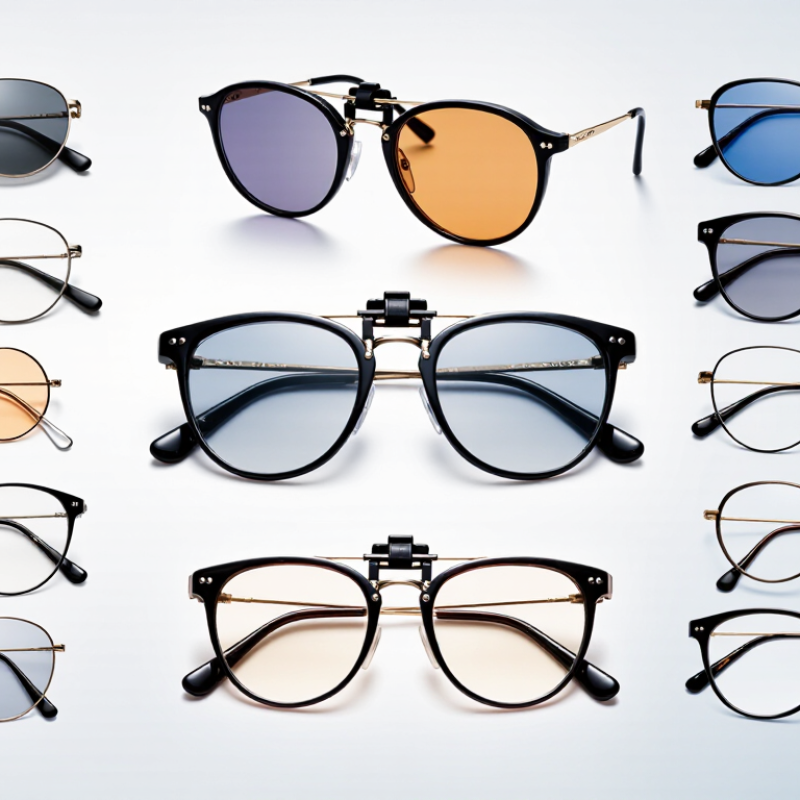
Clip-on glasses are removable lenses designed to sit over prescription frames. Small clips, magnetic mounts, or hinged arms keep them in place. They can add sun protection or reduce glare without requiring the wearer to carry a second pair. Not every attachment fits every frame. Shape and clearance matter.
For global buyers, clip-ons offer a compact option for optical retailers, distributors, and eyewear programs serving varied customer needs. Before placing an order, compare lens width, bridge clearance, coverage, attachment strength, and frame compatibility. Request samples and test them on several frame shapes. Check whether the clips stay secure during ordinary movement, not just on a display table. That matters.
Material and performance details deserve equal attention. Buyers should review lens specifications, tint consistency, weight, hinge durability, and documented quality checks. Ask for optical test information where applicable, and confirm that product documentation suits the destination market. Packaging should protect lenses from scratches during shipping. Small details matter. A clip-on can feel awkward if its edges press against the frame or its weight pulls forward. Those fit issues are easy to underestimate, and supplier claims alone may not reveal them.
How to Evaluate Clip-On Glasses Manufacturers
Top 10 Clip On Glasses Manufacturers for Global Buyers
How to Evaluate Clip-On Glasses Manufacturers
A polished catalog is not proof of dependable production. Ask manufacturers for lens-transmission test reports, material specifications, and recent batch inspection records. Check how each clip attaches to different frame shapes. A sample should sit level, avoid scratching the host lenses, and stay secure when the wearer looks down. Test it under a desk lamp and outdoors; glare and color shifts can be easy to miss in product photos.
The World Health Organization’s 2019 World Report on Vision estimated that at least 2.2 billion people live with near or distance vision impairment. This is not a clip-on market-size figure, but it highlights the broad need for practical vision products. For buyer due diligence, compare quoted lead times with sample and production schedules. Ask how defects are recorded, who approves substitutions, and whether replacement parts are available. A low unit price can hide costly rework. Supplier claims still need checking.
Tips: Request samples from the same production line intended for your order. Measure lens width, bridge clearance, and clip pressure on several frame styles. Keep one sample for comparison after delivery. Ask for UV test results from an independent laboratory, not only a marketing sheet. Small details matter. A hinge that feels slightly loose may be a warning, though one sample cannot predict every batch.
Top 10 Clip-On Glasses Manufacturers for Global Buyers
A strong top-10 shortlist of clip-on glasses manufacturers should compare more than price. Check lens clarity, clip pressure, hinge alignment, and compatibility with different frame shapes. The World Health Organization’s World Report on Vision (2019) estimates that at least 2.2 billion people have near or distance vision impairment. This points to broad vision-care needs, but clip-ons are accessories, not substitutes for prescription lenses. Grand View Research estimated the global eyewear market at USD 183.36 billion in 2024, reflecting a large and varied supply chain. That figure covers eyewear overall, not clip-ons alone.
Ask shortlisted manufacturers for material specifications, sample units, inspection procedures, and realistic production lead times. Test samples on thin and thick frames; a clip that grips securely on one may slip on another. Also review packaging protection and how defects are handled. A glossy sample can still conceal loose hinges. I would not rank suppliers on catalog photos alone.
Tips: Request samples from several factories and test them side by side. Check that lenses sit evenly and do not scratch easily. Confirm options for coatings, packaging, and custom colors in writing. Small details matter. Manufacturers’ quality can vary between batches, so request inspection records for repeat orders.
Comparing Manufacturer Capabilities, Products, and Markets
When comparing clip-on glasses manufacturers, look beyond catalog size. Assess whether they offer polarized, tinted, and clear clip-ons, plus different shapes and attachment styles. Check how closely the clips align with common frame sizes. A sample fitted to your own frames can reveal slipping, pressure marks, or blocked vision. Small details matter.
Manufacturing capability also shows in consistency. Ask how suppliers inspect lens clarity, coating uniformity, hinge movement, and magnet strength, where applicable. Request recent sample records and clarify how defects are handled. Buyers serving several markets may need different lens colors, packaging, or frame-fit options. Confirm production capacity and typical lead times in writing; a polished sample does not guarantee repeat orders will match. This is easy to overlook.
Tips: Send frame measurements and photographs with your inquiry. Ask for samples from more than one production batch if volume is significant. Compare comfort after repeated attachment, not just appearance on a desk. Some suppliers may not provide detailed inspection data, so plan for independent checks when consistency is critical.
How Global Buyers Can Select and Source a Manufacturer
Selecting a clip-on glasses manufacturer starts with the exact use case: frame shape, lens tint, attachment style, and target markets. Ask for drawings, material specifications, and a working sample before discussing volume. Check that clips sit evenly on real frames, open without scraping, and stay secure during repeated use. Small parts fail.
Request UV-transmission and optical-quality test reports for the finished lens, not just raw materials. ISO 12312-1:2022 sets requirements for sunglasses and related eyewear; confirm with a qualified lab which provisions apply to your clip-on product. The World Health Organization’s World Report on Vision estimates that at least 2.2 billion people have near or distance vision impairment, with at least 1 billion cases unaddressed or preventable. That scale makes clear vision and reliable fit meaningful product requirements, not decorative details.
Compare manufacturers using the same checklist: sample lead time, minimum order quantity, production capacity, defect controls, packaging, and written reorder terms. Ask how they inspect hinge tension, coating consistency, and alignment across a batch. Request recent inspection records and clarify who pays for independent testing. A low quote can hide thin coatings or inconsistent tolerances. I would still leave room for a second sample; drawings never catch everything. Small differences matter. Keep one approved sample as the reference standard, and record any changes before production begins.