Top 10 Benefits of Photochromic Glasses You Must Know
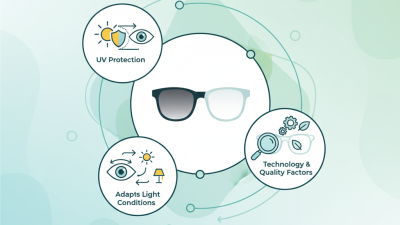
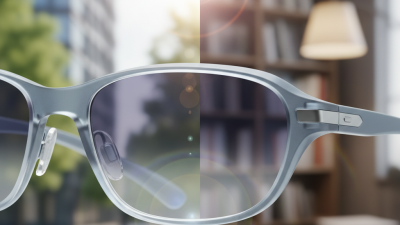
Photochromic glasses are gaining popularity due to their unique ability to adapt to changing light conditions. These glasses darken in sunlight and return to clear indoors, providing comfort and convenience. They are an excellent choice for those who frequently move between different environments.
One notable benefit is UV protection. Photochromic glasses shield eyes from harmful rays, reducing the risk of eye diseases. Additionally, they enhance vision quality in bright light. This adaptability ensures clarity whether you're outside on a sunny day or indoors. However, some users may find that the transition takes time, which can be a drawback.
Another aspect to consider is their style. Many photochromic glasses come in various designs. This allows wearers to express their personal style while enjoying the benefits of innovative lens technology. Yet, not all options offer the same level of performance. Research is essential to find reliable brands. Overall, photochromic glasses provide numerous advantages but come with some limitations that should not be overlooked.
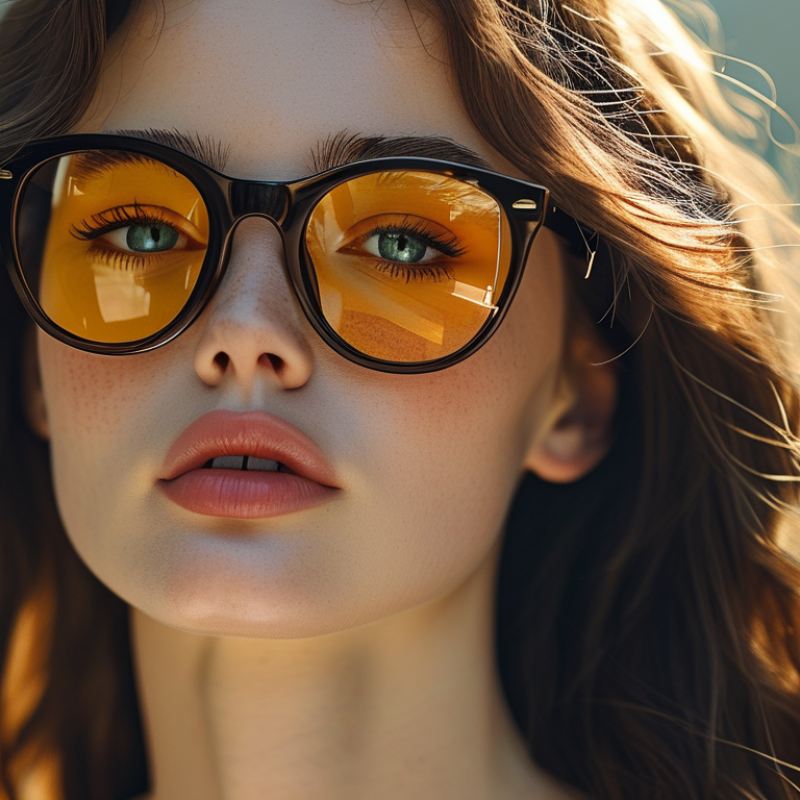
Benefits of Photochromic Glasses for Eye Protection
Photochromic glasses offer significant benefits for eye protection that everyone should be aware of. They automatically adjust to light conditions, darkening in sunlight and clearing indoors. This feature helps reduce glare and eye strain when transitioning between environments. When you step outside, these glasses adapt quickly to provide optimal comfort for your eyes. For those living in sunny regions, this adaptation can be a game-changer.
Additionally, photochromic lenses provide UV protection. Harmful ultraviolet rays can damage not only your skin but also your eyes. Over time, exposure may lead to cataracts or other serious conditions. These lenses block 100% of UVA and UVB rays. This protective feature is vital for anyone spending extended periods outdoors. People might underestimate the ongoing effects of sun exposure on eye health. Using photochromic glasses is a simple yet effective way to safeguard your vision.
Still, photochromic glasses are not for everyone. Some users report slower response times in varying light conditions. Others may find them less effective in car windshields, which can impact visibility. It’s crucial to understand your needs and lifestyle before choosing this eyewear. Making informed decisions helps ensure you get the best protection for your eyes.
Enhancing Visual Comfort with Photochromic Lenses
Photochromic lenses have revolutionized how we experience visual comfort. These unique glasses adapt to changing light conditions. When the sun shines, they darken. In low-light settings, they return to clear. This adjustment provides relief for your eyes, reducing fatigue during prolonged outdoor activities.
Wearing photochromic glasses can enhance your overall experience. They filter harmful UV rays, shielding your eyes from potential damage. They also reduce glare, improving visibility on bright days. Many users report feeling more relaxed, allowing them to focus better. However, some may find the transition time slower than expected. It's a trade-off worth considering when prioritizing comfort.
Another important aspect is the fashion element. Photochromic glasses come in various styles and colors. You can choose a pair that suits your personality. Still, they may not be suitable for everyone or for all occasions. For instance, indoors, some might prefer traditional prescription glasses over the tinted effect of photochromic lenses. Each user needs to weigh these factors for their individual needs.
UV Protection and Health Benefits of Photochromic Glasses
Photochromic glasses offer significant UV protection, a critical factor in maintaining eye health. These lenses adapt to changing light conditions, darkening in sunlight to block harmful UV rays. Continuous exposure can lead to various eye issues, such as cataracts and macular degeneration. Wearing photochromic lenses reduces these risks effectively, making them a wise choice for outdoor enthusiasts and everyday users alike.
In addition to their protective features, photochromic glasses provide comfort in diverse environments. Transitioning from indoors to bright outdoor settings can be jarring. With these glasses, shifting light levels are less of a concern. They enhance visual clarity and reduce eye strain. However, some may experience a delay in the lens transitioning. This can be inconvenient, particularly in rapid lighting changes. It's worth considering how these lenses integrate into your daily routine to maximize their benefits.
Top 10 Benefits of Photochromic Glasses
Versatility of Photochromic Lenses for Different Activities
Photochromic lenses adapt to changing light conditions, making them perfect for various activities. Whether you're hiking in the mountains or reading by a sunny window, they provide great versatility. Outdoors, they darken in bright sunlight, protecting your eyes from harmful UV rays. This adaptability makes them useful for sports, casual outings, or even driving. Some users report that the transition time can be slower in colder temperatures. This can affect their practicality for quick changes in environment.
Indoors, photochromic lenses remain clear, allowing you to enjoy clarity while minimizing eye strain. They're suitable for people who spend hours in front of screens. However, they may not offer the same level of protection against blue light as dedicated blue light glasses. Certain jobs may still require specialized eyewear for specific tasks. For frequent travelers, having a single pair of glasses that serve multiple functions can save space and reduce the need for different pairs.
In summary, while photochromic lenses provide excellent flexibility, there are limitations. Consider your specific needs when deciding if they are the right choice for you.
Cost-Effectiveness of Photochromic Glasses Compared to Traditional Options
Photochromic glasses offer significant cost advantages compared to traditional eyewear solutions. Initially, the price may seem higher. However, they serve dual purposes: prescription lenses and sunglasses in one pair. This versatility eliminates the need for separate eyewear. Many users find this practical, especially those frequently transitioning between indoor and outdoor settings.
Consider the long-term expenses. Traditional sunglasses and prescription glasses require separate purchases, typically leading to higher overall costs. Additionally, photochromic lenses often last longer due to their durable materials. This means fewer replacements over time. While some might question their effectiveness in extreme conditions, their adaptability in standard light changes is quite impressive.
While users appreciate the transition features, they may encounter delays in darker areas—an aspect worth noting. This is a small trade-off for the affordability and convenience they bring. Investing in photochromic glasses can be a smart choice, especially for active lifestyles that demand flexibility. Evaluating personal needs ensures the right balance between functionality and budget.