What are Single Light Reading Glasses and How to Choose the Right Pair
Single Light Reading Glasses are an essential tool for many individuals who find themselves frequently engaging with printed text or digital screens. As vision changes with age or due to prolonged exposure to close-up tasks, exploring the right options in reading glasses becomes increasingly important. These specialized optical aids not only enhance clarity but also help reduce eye strain, allowing readers to enjoy their favorite books or articles with greater comfort.
When selecting the right pair of Single Light Reading Glasses, several factors should be considered. The level of magnification required can vary from person to person, as well as personal preferences in style and fit. Additionally, understanding the difference between various lens types and frame styles will help ensure that individuals not only see their best but also look great while doing so. This guide aims to demystify the process of choosing Single Light Reading Glasses, empowering readers to make informed decisions tailored to their unique needs.

Understanding Single Light Reading Glasses: Definition and Purpose
Single light reading glasses are a specialized type of eyewear designed to aid individuals who experience difficulties focusing on close-up tasks, such as reading or sewing. These glasses feature a single prescription strength across the lens, providing a consistent level of magnification for the wearer's specific vision needs. The primary purpose of single light reading glasses is to enhance clarity and reduce eye strain when engaging in near-vision activities. They serve as a practical solution for those who may be experiencing age-related vision changes, commonly known as presbyopia.
When selecting the right pair of single light reading glasses, consider the strength of the lens carefully. Often measured in diopters, the appropriate magnification level will depend on your personal comfort and the distance between your eyes and the reading material. It's beneficial to visit an eye care professional for a comprehensive assessment to determine your precise needs.
Tips:
- - Test different lens strengths to find the most comfortable fit for reading.
- - Consider the frame size and style; choose a lightweight and comfortable design to prevent discomfort during prolonged use.
- - Ensure that the reading glasses have a suitable tint or coating to reduce glare, especially if you often read under bright lighting.
Different Types of Single Light Reading Glasses: A Comparative Overview
When exploring single lens reading glasses, it’s essential to understand the various types available to find the perfect fit for your needs. Generally, single light reading glasses can be categorized into full-frame, half-frame, and rimless styles. Full-frame glasses offer comprehensive coverage and are sturdy, making them a popular choice for daily use. Half-frame versions, on the other hand, are lighter and provide a more unobstructed view of the surroundings. Rimless designs create a minimalist aesthetic, giving wearers a more subtle option without compromising functionality.
Tips for choosing the right pair of single light reading glasses include considering your lifestyle and intended use. If you frequently read for long periods, opt for glasses with a wide field of vision and comfortable frames. Additionally, think about the strength of the lenses; it's crucial to get an accurate prescription to minimize eye strain. Always try on different styles to see which feels most comfortable; the right fit can make all the difference in ensuring quality reading experiences.
Comparative Overview of Single Light Reading Glasses Types
Key Features to Look for When Choosing Reading Glasses
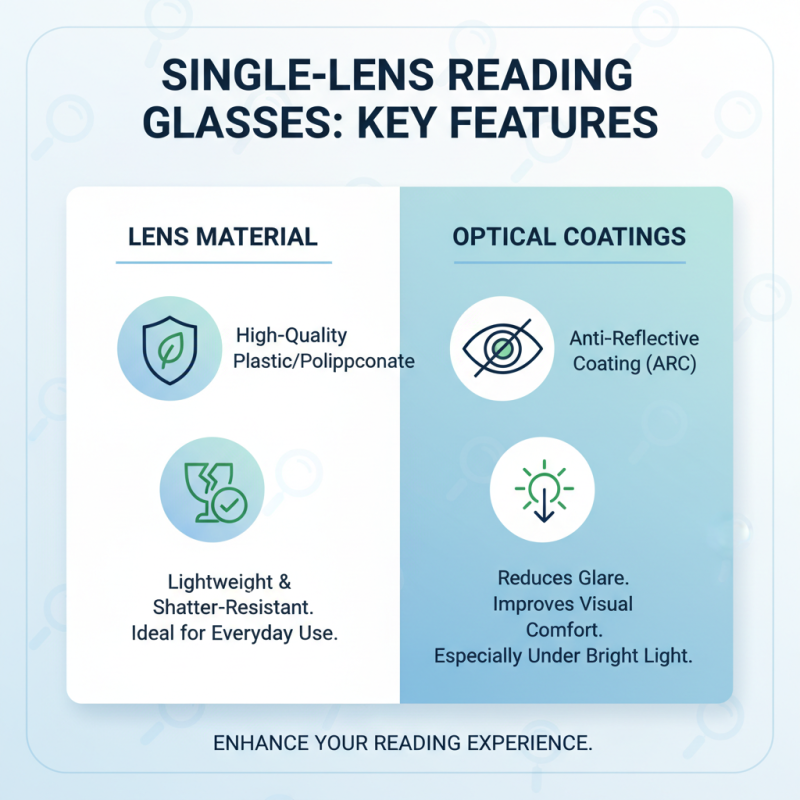
When selecting single light reading glasses, it’s crucial to consider several key features that can enhance your reading experience. Firstly, the lens material plays a significant role in clarity and durability. High-quality plastic or polycarbonate lenses are lightweight and resistant to shattering, making them ideal for everyday use. Additionally, consider whether the lenses are treated with anti-reflective coating, which reduces glare and improves visual comfort, especially under bright lighting conditions.
Another important aspect to evaluate is the frame fit and style. Comfortable frames that sit well on your nose and ears can prevent fatigue during extended reading sessions. Opt for adjustable nose pads and flexible temple arms to ensure a personalized fit. The style of the glasses should also reflect your personal taste, as you may wear them frequently. Reading glasses are available in various styles, from classic to contemporary, allowing you to express your personality while benefiting from enhanced vision.
**Tips:** When trying on reading glasses, make sure to check the optical center of the lenses aligns with your eyes for ideal vision correction. Additionally, it’s helpful to choose a lightweight frame to increase comfort during long reading periods. Remember to replace your glasses when your prescription changes or if you notice any discomfort; clear vision is key to enjoying all your reading adventures.
How to Measure Your Prescription for the Perfect Pair of Glasses
When it comes to selecting the perfect pair of single light reading glasses, understanding how to measure your prescription is crucial. The first step is to determine your sphere (SPH) measurement, which indicates the degree of nearsightedness or farsightedness. According to the American Optometric Association, approximately 75% of adults use some form of vision correction, making proper measurements essential for optimal visual comfort. You can use a ruler to measure the distance from the center of your pupils—this measurement is known as the pupillary distance (PD). A standard PD for adults typically ranges from 54 to 68 mm.
Tip: Always ensure that your environment is well-lit when measuring your PD, as this reduces errors and provides a more accurate reading. Another essential component is your reading distance, which can vary based on your reading habits. Most people read at around 16 to 18 inches away from their eyes, but feel free to adjust this based on your own comfort and usage.
Additionally, if you wear bifocals or other types of multifocal lenses, you'll need to consider your fitting height. This measurement determines where the lenses should be positioned in relation to your eyes. According to a study published by the Vision Council, getting these measurements correct can enhance the overall effectiveness of your lenses and significantly improve your reading experience.
Tip: It’s advisable to consult with an eye care professional when taking these measurements to ensure accuracy and to discuss any specific visual needs you may have—this can make a significant difference in your choice of reading glasses.
Tips for Selecting the Right Frame Style and Material for Your Needs
When selecting single light reading glasses, the frame style and material play a crucial role in both comfort and functionality. According to the Vision Council, an estimated 75% of adults require some form of vision correction, and the right pair of glasses can significantly enhance the reading experience. Metal frames, known for their durability and lightweight properties, are often ideal for those seeking a sleek and understated look. Conversely, plastic frames offer a wider variety of colors and styles, making them a popular choice for fashion-forward individuals and those who prioritize comfort during extended wear.
When considering the right material, it’s essential to think about the intended use. For everyday wear, polycarbonate lenses are favored for their impact resistance and lightweight nature, making them suitable for active lifestyles. On the other hand, high-index lenses can benefit individuals with stronger prescriptions, as they are lighter and thinner, providing aesthetic appeal without compromising functionality. A recent report from the American Optometric Association highlights that a significant number of users overlook the importance of lens coatings, such as anti-reflective and blue light blocking coatings, which can further enhance the usability and comfort of reading glasses. By carefully considering frame style, material, and lens options, users can find the perfect pair tailored to their unique needs.
What are Single Light Reading Glasses and How to Choose the Right Pair
| Feature |
Description |
| Lens Type |
Single vision lenses are designed to correct one field of vision (either for near or distance). |
| Frame Material |
Common materials include plastic, metal, and titanium, each offering different durability and weight. |
| Frame Style |
Popular styles include full-rim, semi-rimless, and rimless, affecting both aesthetics and visibility. |
| Lens Coatings |
Options include anti-reflective, scratch-resistant, and blue light blocking coatings. |
| Fit and Comfort |
A proper fit should not slide down your nose and should feel stable and comfortable during wear. |
| Prescription Accuracy |
Ensure your prescription is recent and accurately reflects your vision needs. |
| Consultation |
Consider consulting an eye care professional for guidance in selecting the most suitable options. |