Top Reading Glasses Trends to Watch in 2026?
The market for Reading Glasses is evolving rapidly. By 2026, we can expect significant shifts driven by technology, fashion, and consumer behavior. According to a recent report by Market Research Future, the global reading glasses market is projected to grow at a CAGR of 4.7% from 2021 to 2026. This indicates strong demand and innovation on the horizon.
Experts like Dr. Emily Raines highlight the importance of adapting to these trends. She notes, “The future of Reading Glasses will focus on personalization and user experience.” This sentiment reflects the shift towards customized solutions in eyewear, driven by consumer preferences.
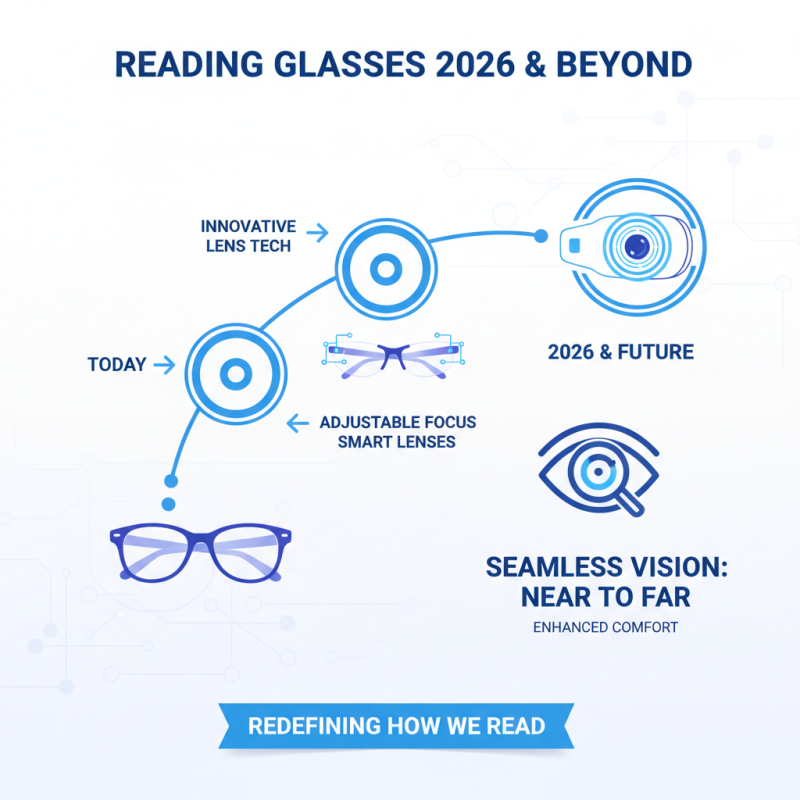
We'll likely see advancements in lens technology and smart features, enhancing vision while integrating with our digital lives. Moreover, sustainability will play a crucial role, as today’s consumers favor eco-friendly materials. As the industry progresses, addressing challenges with inclusivity and accessibility will be vital. The next few years promise transformative change in the world of Reading Glasses.
Emerging Materials in Reading Glasses Design for 2026
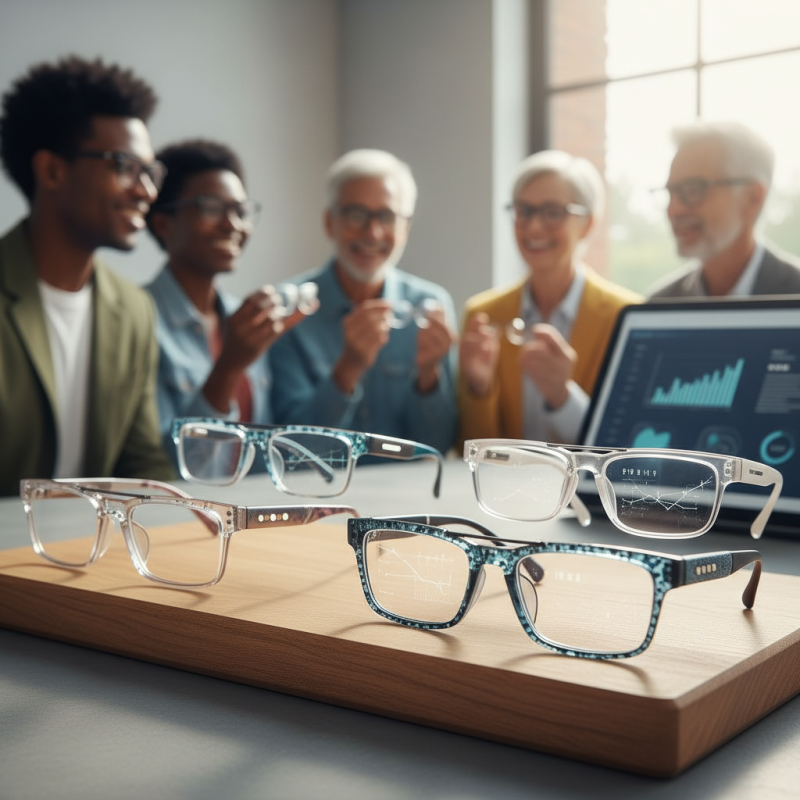
In 2026, reading glasses will undergo a transformation. Emerging materials will redefine their design and function. Lightweight metals and eco-friendly plastics will gain popularity. These materials offer durability without sacrificing style. Users will appreciate glasses that are both functional and fashionable.
There’s growing interest in digital eyewear. Smart features integrated into lenses could become commonplace. Imagine glasses that adjust to changing light conditions automatically. This innovation could enhance vision while reducing eye strain. It's a promising direction, but practicality must be considered. These advancements might complicate usage for some.
**Tip:** When choosing reading glasses, focus on comfort over trends. Test different materials and designs to find what suits you best. It's essential to find the right fit to avoid discomfort during long reading sessions.
Sustainability is also crucial in 2026's eyewear trends. More companies will use recycled materials. This shift reflects consumer demand for eco-conscious products. However, recycled materials’ effectiveness in quality control may raise concerns.
**Tip:** Look for certification labels indicating environmentally friendly practices. This can help ensure you are making informed choices.
Top Reading Glasses Trends to Watch in 2026 - Emerging Materials in Reading Glasses Design for 2026
| Trend |
Material |
Benefits |
Sustainability |
| Ultra-Lightweight Frames |
Graphene |
Enhanced comfort and reduced pressure on the nose |
High recyclability |
| Blue Light Blocking Technology |
Coated Polycarbonate |
Reduces eye strain and improves sleep quality |
Sustainable sourcing practices |
| Adjustable Magnification |
Smart Glass Technology |
Personalized viewing experience |
Low energy consumption |
| Eco-Friendly Materials |
Bamboo and Recycled Plastics |
Biodegradable and lightweight |
Highly sustainable |
| Stylish Designs |
Innovative Polymeric Blends |
Fashion-forward aesthetics |
Recyclable options available |
Fashion Trends Influencing Reading Glasses Styles in 2026
As we look ahead to 2026, the reading glasses market is set to evolve dramatically. Fashion trends will play a pivotal role in shaping styles. A blend of retro and modern aesthetics is expected. Unexpected color combinations will appear more frequently. Bright pastels and dark hues might collide in interesting ways. This fusion will attract diverse audiences.
Sustainability is another rising trend. Eco-friendly materials will become standard in the production process. Customers may expect glasses crafted from recycled materials. Unique, handcrafted designs will also catch the eye. Artisanal touches you won’t find in mass-produced items will stand out. However, the challenge lies in balancing sustainability with affordability.
Moreover, technology is anticipated to change the landscape. Smart glasses might feature built-in reading aids. Yet, not all smart designs will hit the mark. Some may prove cumbersome or unattractive. Consumers will need to navigate this evolving landscape carefully, weighing function against style. It’s a tricky balance but one that could redefine personal style in reading glasses.
Top Reading Glasses Trends to Watch in 2026
This chart illustrates the top reading glasses trends projected for 2026, highlighting the growing popularity of eco-friendly materials, vibrant colors, and blue light blocking technologies among consumers.
Sustainability Trends Shaping the Future of Reading Glasses
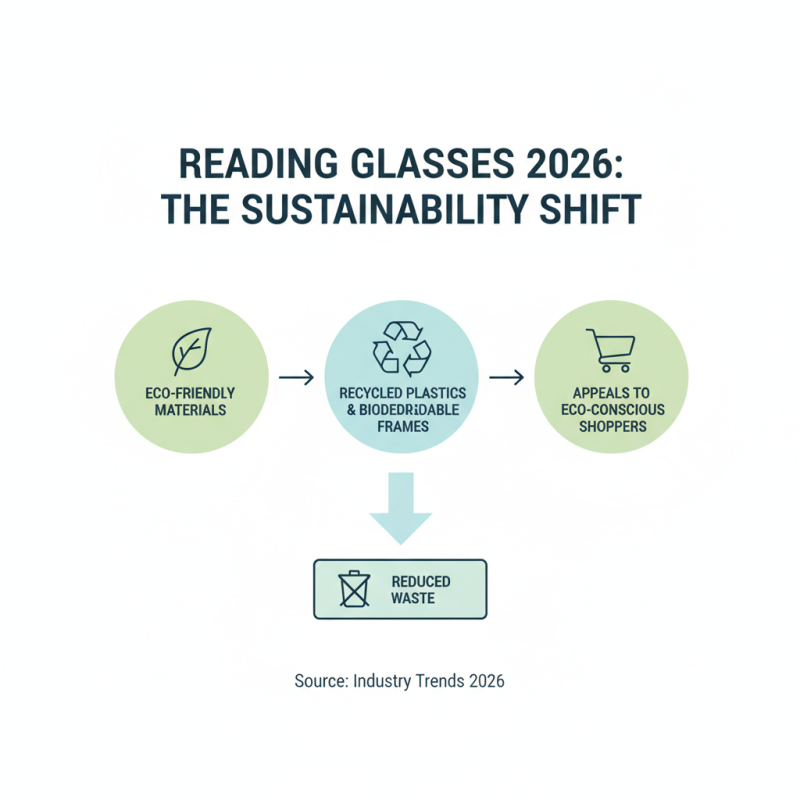
As we approach 2026, sustainability is becoming central to the design and production of reading glasses. Consumers now prioritize eco-friendly materials. Brands are exploring options like recycled plastics and biodegradable frames. This shift not only reduces waste but also appeals to eco-conscious shoppers.
Innovations in production techniques contribute to this trend. For example, 3D printing is becoming more popular. It reduces excess material and allows for customizable designs. However, the reliance on new technologies raises questions about their environmental impact. Are they truly sustainable, or do they create other issues?
In addition to materials, companies are focusing on ethical labor practices. Transparency in the supply chain is gaining importance. Consumers want to know where and how their glasses are made. But the implementation of these practices is challenging. It demands consistent vigilance and a genuine commitment to ethical standards. The path toward fully sustainable reading glasses may still have hurdles, but progress is being made.
Smart Features: The Rise of Tech-Integrated Reading Glasses
The reading glasses market is evolving rapidly. One of the most exciting trends is the integration of smart features. In 2026, tech-enhanced reading glasses could become common. According to recent reports, the smart eyewear market is expected to exceed $10 billion by 2025. This growth shows a rising demand for innovative designs.
Smart reading glasses may include features like adjustable lenses. They could adapt to changing light conditions automatically. Some concepts show integration with augmented reality (AR) apps. Users may access notifications or translations through their lenses. However, this technology presents potential challenges. It can be distracting. Users might struggle to focus on text in front of them.
The focus on user comfort is crucial. Innovations may improve fit and durability. But do consumers really need these advancements? Some people might prefer simple designs without tech complexities. It’s essential to maintain a balance. Comfort and usability should align with tech features for maximum appeal. The industry is at a crossroads. Continuing this trend requires careful consideration of consumer needs.