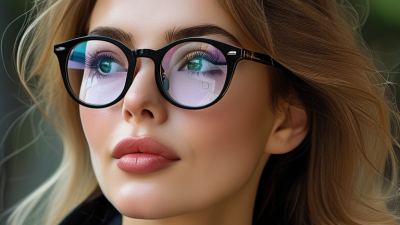
How to Choose the Best Clip-on Glasses for Your Needs?
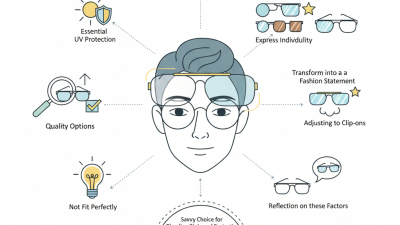
Choosing the right Clip-on Glasses can feel overwhelming. With so many options out there, expert guidance is valuable. Dr. Sarah Thompson, an optometry specialist, once said, “The right clip-on can enhance your vision without sacrificing style.” This insight highlights the importance of selecting the perfect fit for your lifestyle.
Clip-on Glasses offer a convenient solution for those needing prescription eyewear. They easily attach to regular glasses, providing added benefits. High-quality options not only provide UV protection but also come in various tints and styles. It’s crucial to assess your unique needs and preferences when making a choice.
Some may overlook the importance of comfort and functionality. Clip-on Glasses should be lightweight and easy to use. Consider how often you will wear them and in what environments. This reflection will guide you towards making a more informed decision. Ultimately, the right clip-on can transform your visual experience while adding a touch of flair to everyday wear.
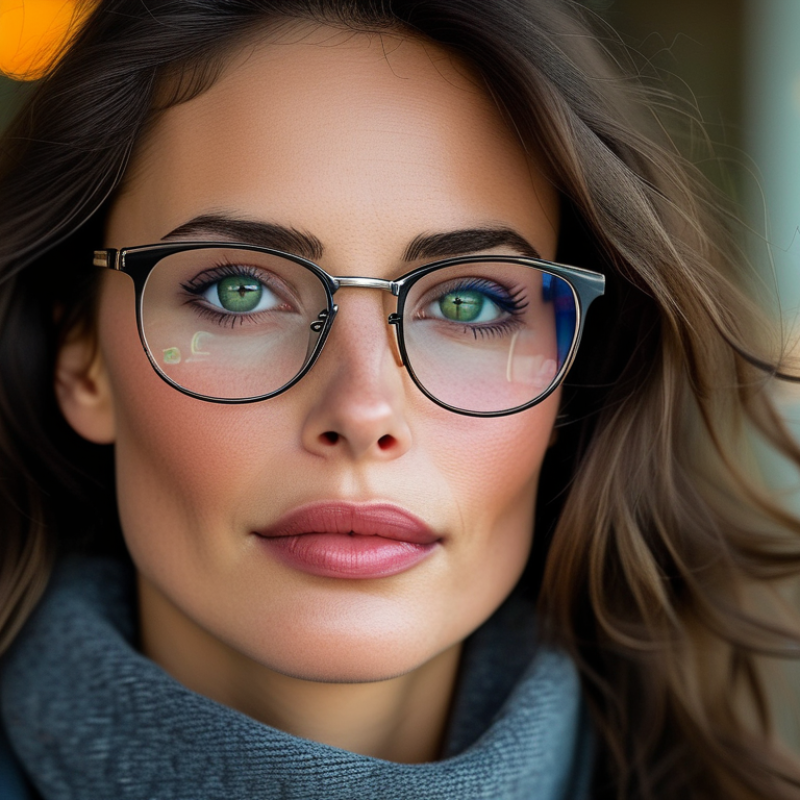
Understanding Different Types of Clip-on Glasses Available in the Market
When choosing clip-on glasses, understanding the different types available is crucial. Clip-on glasses come in various styles to suit different needs. There are polarized options, which reduce glare, making them ideal for outdoor activities. These are particularly useful for individuals who spend time in bright sunlight. However, while polarized lenses enhance vision in certain conditions, they may distort displays on electronic screens.
Another common type is photochromic clip-ons. These lenses automatically adjust to changing light conditions. They darken in bright sunlight and lighten indoors, offering convenience. However, not all photochromic lenses react quickly or uniformly. Users might find some brands slower to adapt or inconsistent in performance.
Lastly, clip-on sunglasses are available, which provide additional UV protection. These are popular among people who wear prescription glasses. While clip-ons are convenient, it's essential to consider compatibility with your existing frames. Not all clip-ons fit every style or shape perfectly. Trying them on before purchasing is often advisable, although this isn't always possible in online shopping.
Identifying Your Vision Needs: Prescription vs. Non-Prescription Options
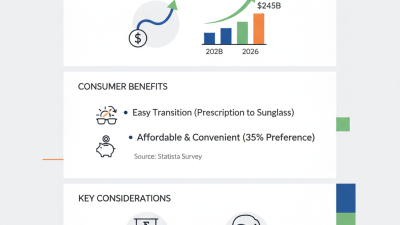
Choosing the right clip-on glasses can enhance your vision experience. Start by assessing whether you need prescription lenses or if non-prescription options suffice. According to recent industry studies, about 75% of adults use some form of vision correction, making prescription clip-ons essential for many. A tailored solution, like prescription clip-ons, ensures optimal clarity regardless of lighting conditions.
Non-prescription clip-ons offer more flexibility. They cater to those with no vision issues or active lifestyles. Approximately 25% of users prefer these options for convenience and affordability. However, it’s vital to remember that non-prescription lenses may not offer the same protection as prescription ones. The quality of UV protection is crucial, especially since prolonged UV exposure can lead to long-term eye damage.
The decision largely hinges on personal preferences and specific vision needs. Consider factors such as daily activities and environmental conditions. Individuals engaging in outdoor activities should prioritize lenses that provide full UV protection. However, even within prescription choices, there is room for improvement. Not all clip-ons fit uniformly. Inconsistencies in sizing often lead to discomfort, highlighting the need for careful fitting before purchase.
Evaluating Lens Materials and Their Impact on Durability and Clarity
When selecting clip-on glasses, the lens material plays a vital role. Common materials include polycarbonate, CR-39, and high-index plastic. Polycarbonate is lightweight and impact-resistant. This makes it ideal for active lifestyles. For instance, reports show that polycarbonate lenses are ten times more impact-resistant than standard lenses. However, they might scratch more easily without coatings.
CR-39 offers great optical clarity and is less expensive. It's a traditional choice, but it can be heavier than polycarbonate. High-index plastic is thinner and lighter for stronger prescriptions. According to industry studies, these lenses can improve comfort for extended wear.
Evaluate scratch resistance and UV protection in the coatings. Both are crucial for usability and longevity. A scratch can compromise clarity, making it harder to see. Choose clip-on glasses with anti-reflective and anti-scratch coatings for better performance.
Consider your daily activities when selecting lenses. If you are often outdoors, UV protection is essential. For office use, prioritize clarity. Remember, no lens is perfect. Budget and lifestyle will influence your choices. Be open to trying different materials to find your best fit. Each material has strengths and weaknesses, and your feedback can guide further improvements.
Choosing the Right Style: Frame Compatibility and Personal Preferences
Choosing the right style of clip-on glasses is essential for both comfort and functionality. Frame compatibility is critical. Not all clip-ons fit every frame style. A report from the Optical Laboratories Association indicates that approximately 60% of users experience discomfort due to size mismatches. Selecting compatible frames can minimize strain and improve wearability.
Comfort also hinges on personal preferences. Some individuals favor a bold look, while others prefer understated designs. User surveys suggest that 72% of customers value aesthetics in clip-ons equally as much as functionality. Opting for a style that reflects personal taste may encourage more regular use. However, this pursuit can sometimes lead to overspending on trendy styles that may not offer lasting satisfaction.
Color choice adds another layer of complexity. Dark tints can reduce glare effectively, but they may limit visibility indoors. Approximately 30% of users report difficulty transitioning between light settings with darker lenses. Balancing these factors is critical. Rethinking the color and style can lead to better daily experiences.
Assessing UV Protection and Polarization Features for Enhanced Eye Safety
When selecting clip-on glasses, it's crucial to prioritize UV protection and polarization features. Studies show that exposure to UV radiation can contribute to cataracts and macular degeneration. According to the World Health Organization, UV radiation accounts for over 20% of cases of cataracts globally. A good pair of clip-on glasses should block 100% of UVA and UVB rays to protect your eyes effectively.
Polarization is equally important. Polarized lenses reduce glare, improving visual clarity and comfort. Research indicates that polarized lenses can enhance contrast and depth perception while driving or engaging in outdoor activities. For instance, the American Academy of Ophthalmology suggests that wearing polarized sunglasses can reduce eye strain by 90% in bright light conditions.
Considering the balance between UV protection and polarization is vital. Many clip-on glasses may offer one feature but not both. It's essential to inspect the specifications on the packaging to ensure comprehensive eye protection. Reflecting on your outdoor activities will help you choose the appropriate features for your needs, ensuring your vision remains sharp and safe. Keep in mind, not all clip-on glasses are created equal, and the right choice makes a significant difference in eye health.
UV Protection and Polarization of Clip-on Glasses