Top 5 Tips for Choosing Square Rimless Sunglasses?
Choosing the right eyewear can be challenging, especially with so many styles available. Square Rimless Sunglasses offer a unique blend of elegance and modernity. Their lightweight design and stylish look make them a popular choice among trendsetters.
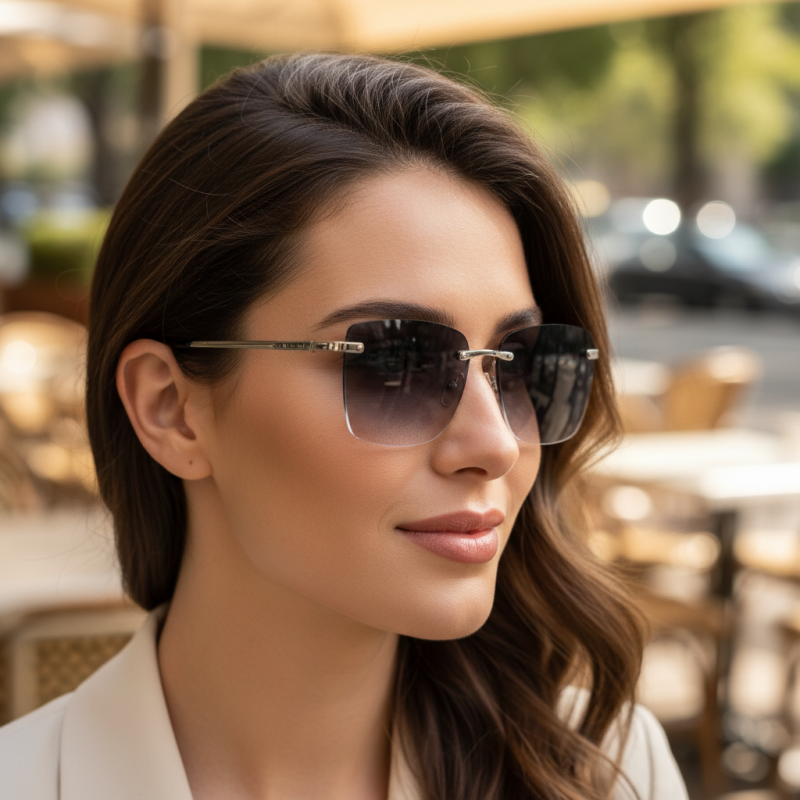
When selecting these sunglasses, consider your face shape. Square Rimless Sunglasses can enhance your features, highlighting your eyes and cheekbones. The right frame can elevate any outfit, making it essential to focus on details.
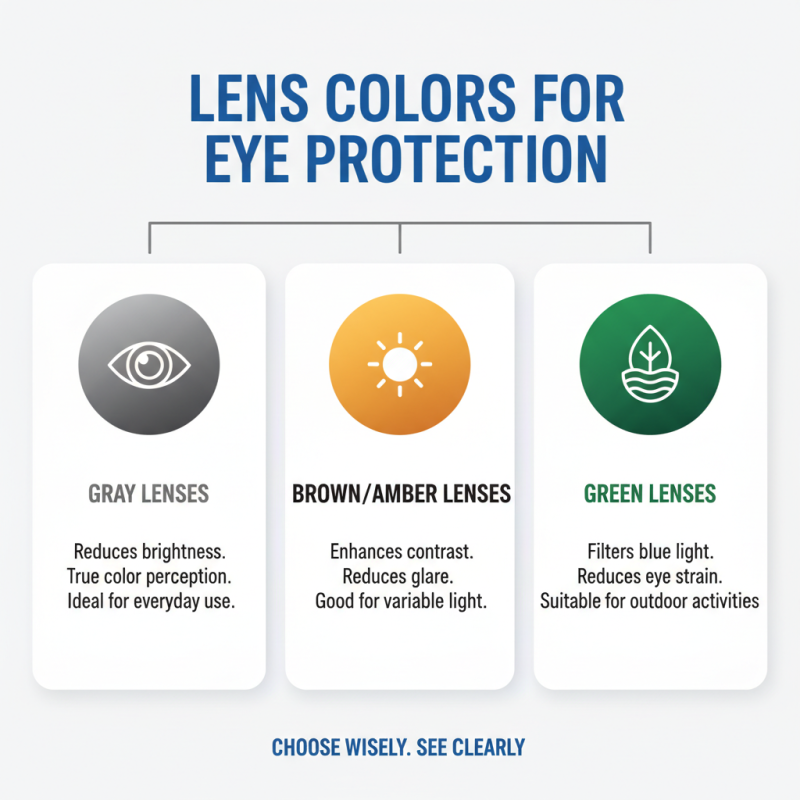
Pay attention to lens quality too. Darker lenses can provide better sun protection. However, clarity shouldn't be compromised. Many styles seem perfect at first glance, yet they might not fit well or provide adequate UV protection. Finding the ideal pair requires thought and consideration.
Understanding the Basics of Square Rimless Sunglasses
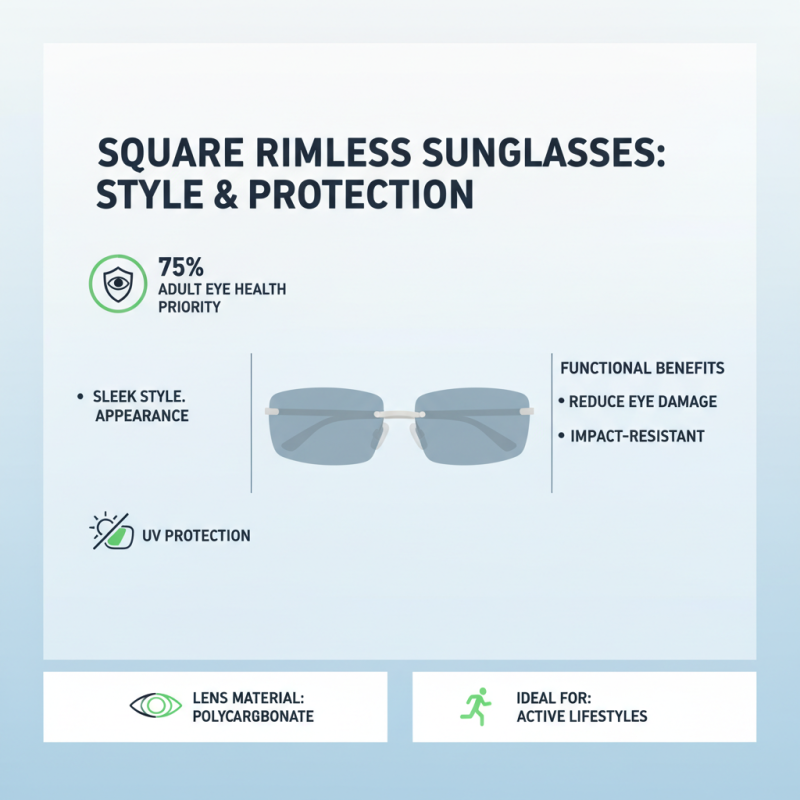
Square rimless sunglasses blend style with functionality. They appeal to many for their sleek appearance. A study by the Vision Council reveals that 75% of adults prioritize eye health. These sunglasses offer UV protection, reducing the risk of eye damage. When choosing, consider the lens material. Polycarbonate lenses are lightweight and impact-resistant. They are ideal for those with active lifestyles.
Fit is another crucial aspect. A well-fitted pair enhances comfort and provides better protection. Measurements matter. Individuals should check the size before purchasing. Many people ignore this, resulting in discomfort. The width of the lenses and bridge should match your facial features. Uncomfortable sunglasses can lead to headaches or distractions.
Style shouldn't be sacrificed for practicality. Square rimless designs can complement various face shapes. However, not every pair suits everyone. Aesthetic preferences vary widely, and knowing your style is essential. Some may prefer bold colors, while others lean toward classic tones. Ultimately, the right choice reflects your personality.
Evaluating Fit and Comfort for Your Face Shape
Choosing the right square rimless sunglasses is not just about style. The fit and comfort are essential factors. Different face shapes require different considerations. A pair of sunglasses should enhance your features, not overshadow them.
For those with round faces, square frames can offer a striking contrast. The angular lines help define softer features. However, the fit should feel snug but not tight. Check that the temple arms do not pinch behind your ears. If they do, it may lead to discomfort after a while.
Long faces might benefit from larger square frames. These can provide balance to lengthy proportions. Again, comfort is key. Too wide or narrow can ruin the whole look. Take time to reflect on how they sit on your nose. Do they slide down? Or do they rest uncomfortably? It’s these details that can make or break your sunglasses experience.
Top 5 Tips for Choosing Square Rimless Sunglasses
Exploring Frame Materials and Their Durability
When selecting square rimless sunglasses, frame materials play a crucial role in durability. Common materials include plastic, metal, and titanium. Each comes with its own strengths and weaknesses. For instance, titanium is lightweight and highly durable, often used in high-quality eyewear. Data suggests that titanium frames can last up to 15 years, significantly outlasting standard plastic options, which typically need replacement every couple of years.
Plastic frames, while affordable, may not withstand daily wear and tear as effectively. They usually survive for around 3-5 years. However, the weight makes them comfortable for long-term wear. Consider that around 60% of consumers favor plastic due to initial cost savings but regret not investing in sturdier options later.
Metal frames offer a balance, providing both style and longevity. While they may corrode in humid environments, durable coatings can mitigate this issue. Research indicates that metal frames often experience high satisfaction rates in durability, with many users reporting minimal defects over extended use. Striking a balance between material cost and longevity is crucial. You may find yourself weighing short-term affordability against long-term durability more often than you expect.
Enhancing Your Style: Matching Sunglasses with Outfits
Square rimless sunglasses can transform any outfit, adding a sophisticated edge. They possess a unique charm that blends seamlessly with various styles. Reports show that accessories, such as sunglasses, can elevate an apparel look by up to 30%. This means pairing them wisely is crucial.
When matching sunglasses with outfits, consider the colors and patterns you wear. Neutral tones allow for bolder sunglasses. Conversely, vibrant outfits can balance with more subtle designs. Fashion experts note that contrast can draw attention. It’s essential to play with these elements to find a balance that feels personal and stylish.
However, not every choice is straightforward. Some may find square frames clash with round faces, while others may struggle with understanding their color palette. It’s a learning process. Identifying what complements your features requires reflection. Style doesn’t always mean following trends; it may mean stepping out of your comfort zone. Embrace experimentation and adjust your choices based on feedback.