How to Choose Photochromic Reading Glasses for Your Needs?
Choosing the right Photochromic Reading Glasses is crucial for many individuals. These glasses adjust their tint based on light exposure, offering both convenience and comfort. According to a report by the Vision Council, about 43% of adults in the U.S. use some form of visual correction. This illustrates the growing need for innovative eyewear solutions.
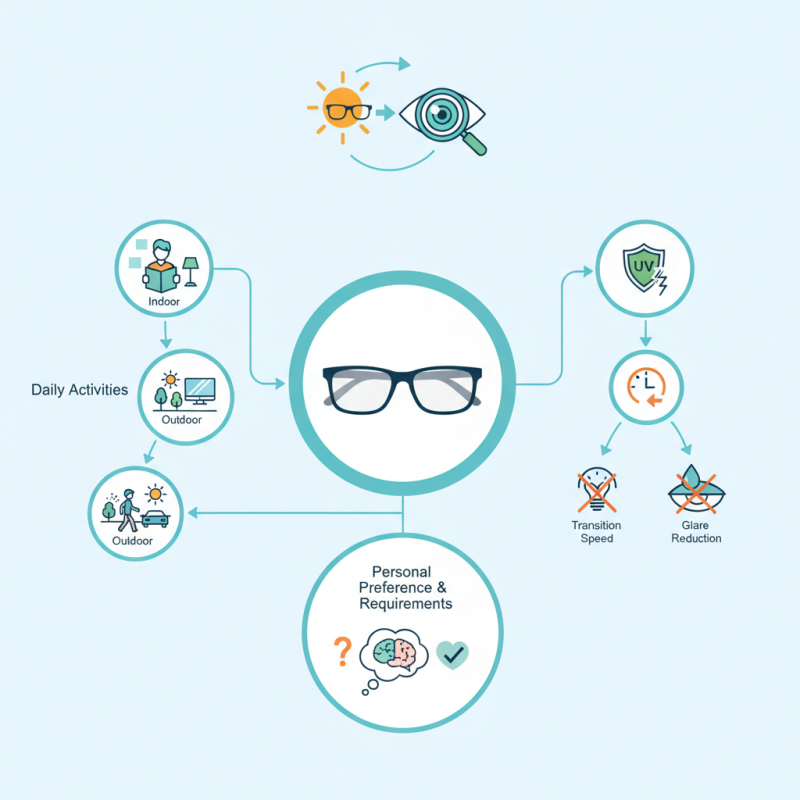
Photochromic lenses can help reduce glare and improve contrast. In bright natural light, these lenses darken, providing protection from harmful UV rays. Yet, not all options are created equal. Studies have shown that the quality of photochromic technology can vary widely among brands. Some glasses may take longer to transition, affecting your experience.
While selecting Photochromic Reading Glasses, it’s essential to consider your daily activities. Glasses that work well in sunlight may not perform the same indoors. Additionally, a lack of knowledge about the specific lens coatings can lead to dissatisfaction. Reflect on your preferences and requirements before making a choice.
Understanding Photochromic Lenses and Their Benefits
Photochromic lenses are a modern innovation in eyewear. They adapt to changing light conditions. When exposed to sunlight, they darken. In low-light situations, they return to clarity. This adaptability provides comfort and protection for the eyes. According to a report by the American Academy of Ophthalmology, about 40% of users experience less eye strain when using photochromic lenses.
One major benefit is UV protection. Photochromic lenses block up to 100% of harmful UV rays. This is crucial, as UV exposure can lead to long-term eye damage. Research from the Vision Council suggests that 75% of Americans are unaware of UV-related eye risks. This highlights the need for awareness and prevention.
Enhanced visual comfort is another key advantage. Many users report fewer headaches and improved vision. The transition speed of these lenses has improved greatly, now averaging around 30 seconds. Despite these benefits, not all photochromic lenses are created equal. Some may not perform well in vehicles due to windshield UV coatings. Users need to consider their specific lifestyles and preferences when choosing the right pair.
How to Choose Photochromic Reading Glasses for Your Needs? - Understanding Photochromic Lenses and Their Benefits
| Feature |
Description |
Benefits |
| Photochromic Technology |
Lenses that darken upon exposure to sunlight and return to clear indoors. |
Protection against UV rays and brightness adjustment. |
| Lens Material |
Various materials including polycarbonate, high-index, and glass. |
Durability, weight, and optical clarity. |
| Coating Options |
Anti-reflective, anti-scratch, and anti-fog coatings. |
Enhanced visual comfort and lens longevity. |
| Prescription Strength |
Customizable based on individual vision needs. |
Improved clarity and focus for reading. |
| Frame Style |
Variety of styles including full-frame, semi-rimless, and rimless. |
Aesthetic appeal and personal comfort. |
Factors to Consider When Choosing Photochromic Reading Glasses
When selecting photochromic reading glasses, there are several factors to consider.
Light sensitivity is crucial. According to industry data, about 30% of the population has varying degrees of light sensitivity.
Choosing glasses that respond quickly to changes in light can enhance comfort. The speed of transition matters. Ideally, you want lenses that darken within 30 seconds.
This is essential for smooth transitions from indoor to outdoor settings.
Lens material is another key factor. High-index lenses are thinner and lighter, offering better comfort. However,
polycarbonate lenses are impact-resistant and suitable for active lifestyles.
Weighing durability against comfort is important. Remember how you intend to use your glasses.
Tip: Test different frames. The right fit can significantly affect how well the photochromic feature performs.
Frames that sit too low may impede transition. You should feel comfortable in them, as discomfort can lead to neglecting them altogether.
Consider UV protection ratings too. Not all photochromic lenses provide the same level of UV protection.
Up to 99% UV blocking is optimal. Look for lenses that meet this standard.
Finding the right pair may take time. Your preferences and needs might evolve. Don't hesitate to invest in quality,
as they can enhance your reading experience while providing eye protection.
Different Types of Photochromic Lenses Available
When selecting photochromic reading glasses, understanding different types of photochromic lenses is essential. There are primarily three categories available: standard, transition, and variable tint lenses. Standard lenses change from clear to dark depending on UV exposure. They are suitable for casual use but often lack rapid response times. A report by the American Optometric Association suggests that fully activated lenses can take several minutes to adjust.
Transition lenses offer more versatility. They adapt quickly to changes in light, making them ideal for individuals who frequently move between indoor and outdoor environments. A study from the Vision Council noted that approximately 30% of adult eyewear users prefer these lenses for their convenience and comfort. However, the effectiveness can vary significantly based on the environment.
Variable tint lenses provide users with options for different shades. These lenses allow customization, making them attractive for those with specific sensitivity to light. Yet, users often report mixed experiences regarding their efficiency. Some find them too dark or too light for certain conditions. This inconsistency highlights the need for personal testing before committing. Understanding these differences helps ensure the best choice for your vision needs.
Tips for Finding the Right Frame for Photochromic Glasses
Choosing the right frame for photochromic reading glasses can be tricky. The frame should fit your face well. Comfort is key. If it doesn't sit properly, you may avoid wearing them. Look for materials that are lightweight yet durable. You might prefer plastic or metal, depending on your style.
Consider the lens thickness too. Thinner lenses can look sleeker. However, thick lenses may be more durable. Check how the frame complements your facial features. A round frame can soften angular faces. A rectangular frame can add definition to softer features. Experiment with different shapes to see what feels right.
Lastly, don’t forget the color. A subtle hue can enhance your look. Bold colors may suit some but look garish on others. Try different options in natural light. It’s important to see how they react outside. A good fit and style can improve your overall well-being. But there’s always room for improvement. Reflect on how they make you feel.