How to Choose the Best Polarized Sunglasses for Your Needs?
Choosing the right polarized sunglasses can be a daunting task. With numerous options available, it’s easy to feel overwhelmed. Expert in eyewear, Dr. Carl Shade, once stated, “The right pair of polarized sunglasses can significantly enhance your vision on the bright days.” This highlights the importance of making informed decisions.
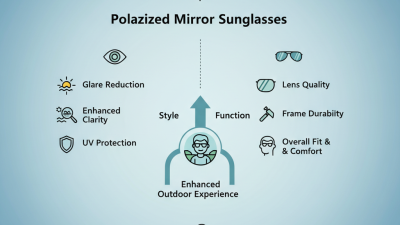
Polarized sunglasses can reduce glare, protect your eyes, and improve visual comfort. Consider factors like lens quality, UV protection, and frame fit. The material and design should suit your lifestyle, whether you are hiking, driving, or lounging at the beach. Look for authentic reviews to guide your choice.
It’s crucial to remember that not all polarized sunglasses are created equal. Some may offer minimal UV protection or lack durability. Take the time to research and reflect on your specific needs. Making a thoughtful selection can enhance your outdoor experiences remarkably.
Understanding Polarized Sunglasses and Their Benefits
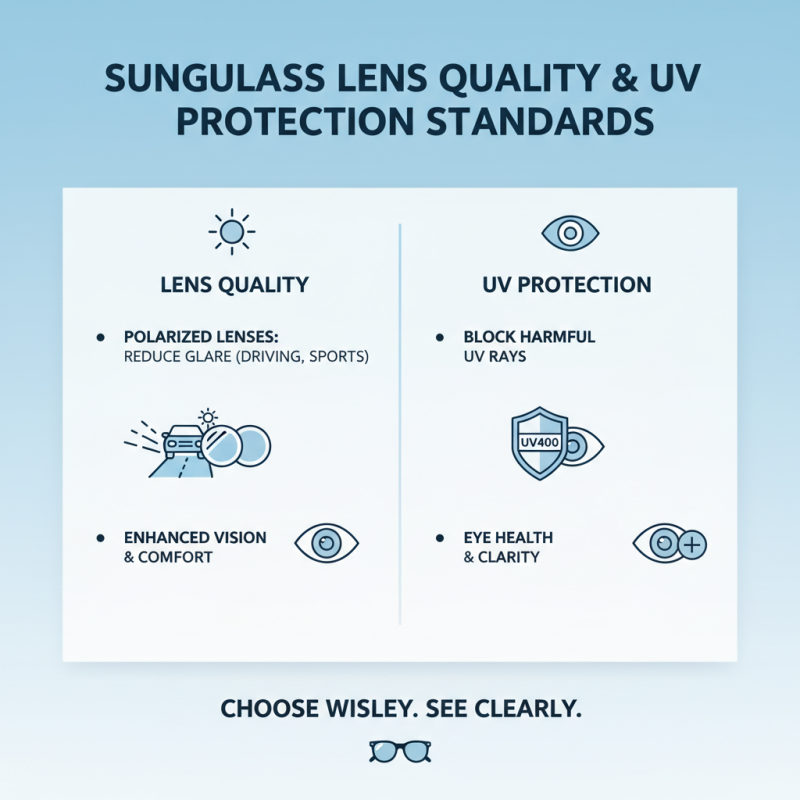
Polarized sunglasses are essential for protecting your eyes from harmful glare. Glare occurs when sunlight reflects off flat surfaces like water, roads, or snow. A study by the Vision Council reveals that 99% of UV rays can cause eye damage. Polarized lenses reduce this glare, making it easier to see clearly and comfortably while engaging in outdoor activities.
Many people overlook the importance of polarized sunglasses, thinking any pair will suffice. However, polarized lenses improve visibility by blocking horizontally polarized light. This can reduce eye strain and enhance depth perception. According to a report from the American Optometric Association, glare can significantly impair vision, particularly for athletes and drivers. It’s vital to choose sunglasses based on activities. The right pair can increase performance and safety in outdoor environments.
Despite the evident benefits, not all polarized sunglasses are created equal. Some cheaper options may compromise optical quality. Low-quality lenses may distort vision rather than enhance it. It's worth investing in sunglasses that meet the American National Standards Institute (ANSI) requirements for UV protection. You deserve clarity and safety, especially during long hours outdoors.
Key Features to Look for in Polarized Sunglasses
When choosing polarized sunglasses, you should focus on key features to ensure you meet your needs. Polarized lenses reduce glare from reflective surfaces, which enhances visual clarity. Reports indicate that up to 90% of glare can be cut down effectively. This is especially beneficial for activities like driving, fishing, or skiing.
Look for lens quality. Optical clarity is vital for every polarized pair. Make sure the lenses are made from high-quality materials. Polycarbonate lenses often offer a good balance between weight and protection. Also, check for UV protection. Sunglasses should block 100% of UVA and UVB rays. Many brands emphasize UV protection, yet not all deliver consistently.
Consider the fit and comfort of the sunglasses. Ill-fitting sunglasses can be distracting and less effective. Pay attention to the temple length and nose bridge design. These components need to suit your face shape for optimal use. Poor fit can lead to slippage or discomfort, which can be a nuisance. Reflect on these aspects carefully before making a decision.
Choosing the Right Frame Style and Fit for Your Needs
Choosing the right frame style and fit for polarized sunglasses is crucial. The right frame enhances comfort and functionality. Consider your face shape. Round faces pair well with angular frames. Square faces often look better in round styles. Try on different shapes to see what works for you.
Fit is equally important. Sunglasses should sit snugly on your nose but not pinch. Check if they slide down or leave marks. A perfect fit can prevent headaches and irritation. If they feel uncomfortable in the store, they likely won’t improve over time.
**Tips:**
Look for adjustable nose pads for a better fit. Also, consider the width of the frame. Wider frames may offer more coverage, while narrower ones can feel lighter. Remember, comfort is key, even if a style looks good. Don’t rush your choice. Take time to reflect on how each pair fits into your daily life.
How to Choose the Best Polarized Sunglasses for Your Needs?
| Feature |
Importance |
Recommended Benefit |
| Lens Material |
High |
Scratch resistance and clarity |
| Frame Style |
Moderate |
Fashion and personal expression |
| UV Protection |
Critical |
Protect against harmful rays |
| Polarization |
High |
Reduce glare and improve visibility |
| Fit and Comfort |
Essential |
Long-term wear without discomfort |
| Lens Color |
Moderate |
Enhance contrast for specific environments |
| Brand Reputation |
Moderate |
Quality assurance from trusted manufacturers |
Budget Considerations and Where to Buy Polarized Sunglasses
When considering budget for polarized sunglasses, it’s important to set a clear range that fits your finances. High-quality options exist at various price points. You don’t need to break the bank for decent protection and style. Some may find comfort in spending more, believing higher price means better quality. This isn’t always true. You can spot a good pair without overspending.
Research is essential. Browse online marketplaces and local stores for deals. Use search filters to narrow down choices. Reviews can offer insight, but be wary of biased opinions. Consider buying during off-seasons when prices drop. Sometimes, sales events or holiday promotions can yield significant savings.
Be mindful of your needs. Do you need sunglasses for sports, daily use, or fashion? Each purpose might require a different level of investment. It’s discouraging to realize you’ve spent too much on ineffective eyewear. Try on various styles in-store. Reflect on how they fit your lifestyle. Make informed decisions, avoiding impulse buys that don’t align with your budget or expectations.