How to Choose the Best Shades Sunglasses Supplier?
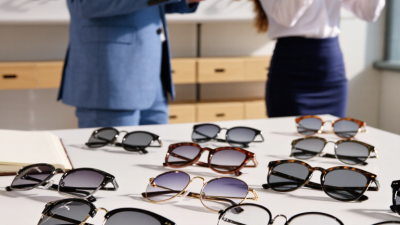
Choosing the right Shades Sunglasses supplier is not just a price comparison. It is a decision about product consistency, communication, and whether promises hold up after the first order. A glossy catalog can show attractive frames, but it cannot reveal uneven hinges, cloudy lenses, or colors that vary between batches. Ask for physical samples. Check the finish, fit, packaging, and written product specifications under ordinary light. Small details matter.
For this guide, fictional eyewear-sourcing adviser Lena Morris offers an illustrative principle: “A dependable supplier makes quality easy to verify, not merely easy to promise.” Treat that as a useful standard, not a sourced industry quotation. Request clear answers about materials, customization options, minimum order quantities, production timelines, and how defects are handled. Compare the full quotation, including packaging and shipping terms, rather than focusing on unit cost alone. Then assess how promptly and precisely the supplier responds. That first exchange can be revealing.
No checklist catches everything. A sample may look excellent while a larger batch differs, so confirm agreed specifications in writing and discuss how consistency will be checked. If possible, speak with existing customers or request relevant production references. Be cautious when details remain vague. This guide explores practical ways to assess Shades Sunglasses suppliers, balance cost with dependable quality, and choose a partner suited to your business. The right choice may still involve trade-offs; recognizing them early is better than pretending otherwise.
Define Your Sunglasses Product and Sourcing Requirements
Before contacting a sunglasses supplier, define who will wear the product and where they will use it. A lightweight frame for daily commuting may need different dimensions from a larger style intended for outdoor activities. Record frame width, bridge size, temple length, lens shape, color, and preferred materials. Be specific about lens performance, including the level of UV protection you expect. Ask for test documentation that matches the exact lens model, not just a general product sheet.
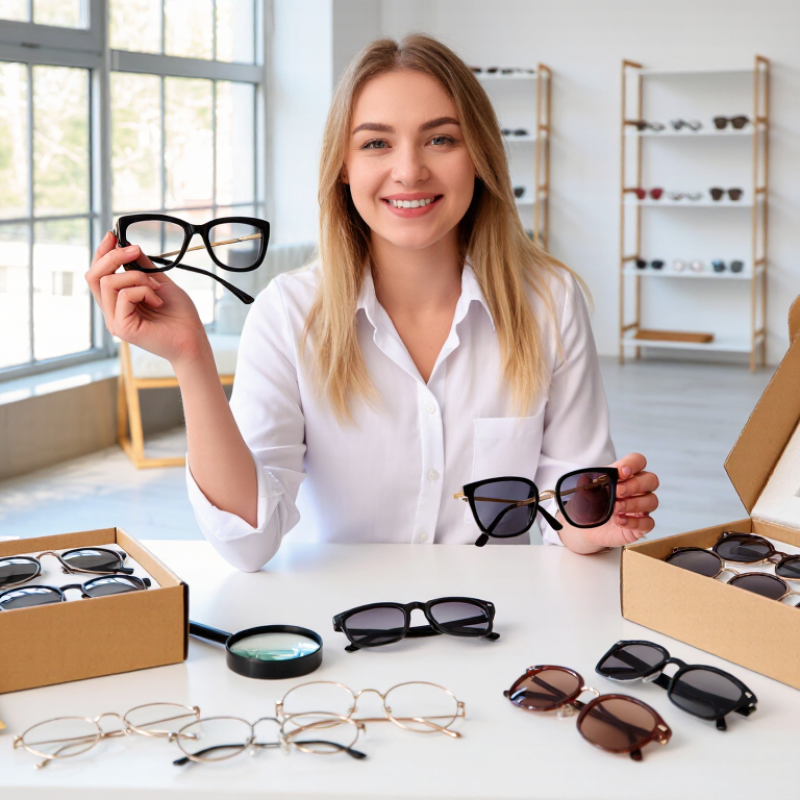
Small details matter. Request a sample and inspect its hinges, finish, fit, and lens clarity in natural light. Note any discomfort after wearing it for a while. A specification can still miss something; the sample may feel heavier than expected, or a color may look different indoors. Revise your requirements before approving production.
Set out your expected order quantity, target price range, packaging needs, and preferred delivery window. Ask the supplier about minimum order quantities, sample charges, production timing, and how defects are handled. Keep these details in writing. You may not know every answer at the start, and that is fine. Mark uncertain choices clearly, then confirm them with a sample or a specific supplier response.
Evaluate Supplier Experience, Production Capacity, and Customization Options
A strong sunglasses supplier should show more than polished samples. Ask how many years they have produced frames, which materials they handle, and how they track defects. Grand View Research’s Sunglasses Market Size, Share & Trends Analysis Report estimates the global market reached USD 28.3 billion in 2023, with projected annual growth of 6.3% through 2030. Growing demand makes dependable output important, but market size alone does not prove a supplier can meet your needs.
Request a factory capacity sheet, recent production timelines, and examples of completed orders. Check whether stated capacity includes inspection and packing, not just assembly. Ask for lens test reports and confirm how batches are checked for UV protection and consistent tint. Samples are not proof. A good sample can still hide uneven hinges or scratched lenses in a larger run. I would also ask what happens when a shipment fails inspection; some suppliers give vague answers, and that deserves a second look.
Tips: Start with a small pilot order. Compare the delivered frames with the approved sample, including lens shade, screw fit, finish, and packaging. For custom colors, logos, or frame shapes, request written specifications, setup costs, minimum quantities, and revision limits before production begins.
Verify Product Quality, Safety Standards, and Certifications
When choosing a sunglasses supplier, ask for test reports that match the exact frame and lens models you plan to order. A certificate for a similar product may not cover its lens material, coating, or construction. Check the report date, issuing laboratory, tested samples, and stated results. Paperwork can look convincing. Verify the details.
For UV protection, request evidence from a qualified testing laboratory, and confirm that the claimed protection level is clearly documented. Ask which safety standards apply in your destination market; requirements can vary. For polarized lenses, request a separate test result rather than relying on a product label. A careful supplier should explain the documents without making vague promises.
Inspect physical samples, too. Hold each lens toward a straight window frame and look for distortion. Open and close the hinges several times; they should move smoothly, without looseness or sharp edges. Compare samples from different production batches when possible. A good report has limits: it describes tested samples, not every future order. Ask how the supplier checks batch consistency and handles defects, then keep those answers in writing.
Compare Pricing, Minimum Orders, Lead Times, and Shipping Terms
When comparing sunglasses suppliers, request a landed-cost quote, not just a unit price. Include frame and lens options, packaging, sample fees, and freight. A low price can hide costly adjustments or inconsistent lens tint. Compare the same specifications across quotes. Ask for the minimum order quantity by style and color; a small order may carry a higher unit cost, while excess inventory ties up cash. Get production and sample lead times in writing, and ask what happens if a component is delayed.
Shipping terms deserve equal attention. UNCTAD’s Review of Maritime Transport 2024 reports that the Shanghai Containerized Freight Index rose 122% between December 2023 and July 2024. Freight costs can shift quickly. Confirm who books transport, which costs are included, and whether delivery estimates cover customs clearance. A supplier’s quoted lead time may end when goods leave the factory, not when they reach your warehouse. Check that assumption.
Tip: Request a dated sample, a written size-and-material specification, and a shipment schedule with milestones. Compare the payment terms and the process for reporting shortages or damage. Keep one detail in mind: supplier estimates are not guarantees, and buyers sometimes overlook the time needed to approve samples. Ask for recent delivery performance data, but treat a small sample of orders cautiously.
Assess Communication and After-Sales Support Before Choosing a Supplier
A shades sunglasses supplier should communicate clearly before an order, not only when a problem appears. Ask how quickly the team answers, who handles production delays, and how often it shares updates.
The 2018 Future of Customer Experience survey reported that 32% of customers would stop doing business after one bad experience. That finding concerns customer relationships broadly, but it underscores why supplier support deserves attention.
Test the response. Send a short request about lens options, packaging dimensions, or a sample revision. Notice whether the reply answers each question and gives a realistic timeline.
Salesforce’s 2023 State of the Connected Customer report found that 88% of customers consider a company’s experience as important as its products or services. In sourcing, that experience can include clear order confirmations and prompt notice when a shipment date changes.
After-sales support needs practical detail. Ask how defects are documented, what information is needed for a claim, and whether replacement parts or corrective actions are available. Request the warranty terms in writing, including response times and exclusions.
A friendly sales call is useful, but it cannot prove how a team handles a difficult case. I would check one process with a small sample order; even that is not a perfect test, since larger orders can expose different communication gaps.