How to Choose the Best Photochromic Glasses for Your Lifestyle?
Choosing the right photochromic glasses can greatly enhance your daily experiences. Dr. Emily Hart, an expert in optical science, states, "The right lenses adapt to your life, not the other way around." This highlights the importance of selecting glasses that fit your lifestyle.
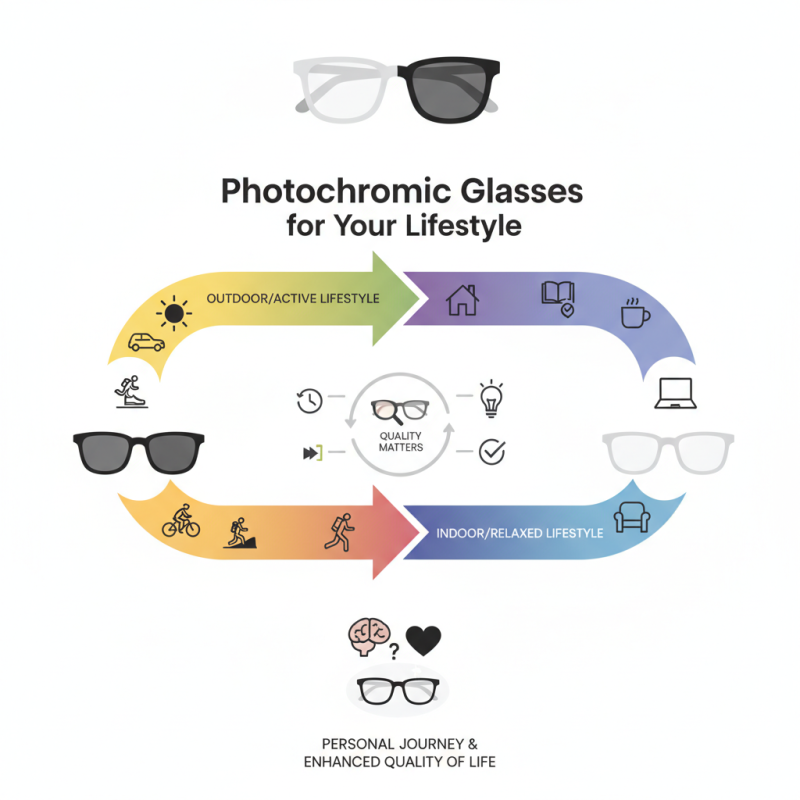
Photochromic glasses offer unique advantages. They darken in sunlight and become clear indoors. This dual functionality is appealing for active individuals. Consider your daily activities. Do you spend more time outside or inside? Your choice should reflect that.
Quality matters. Not all photochromic lenses are created equal. Some may take longer to adjust or don’t change at all in certain light conditions. Look for reputable brands that guarantee performance. Nonetheless, finding the ideal pair is a personal journey. Reflect on your needs and preferences. It may take time, but the right pair can significantly enhance your quality of life.
Understanding Photochromic Glasses and Their Benefits
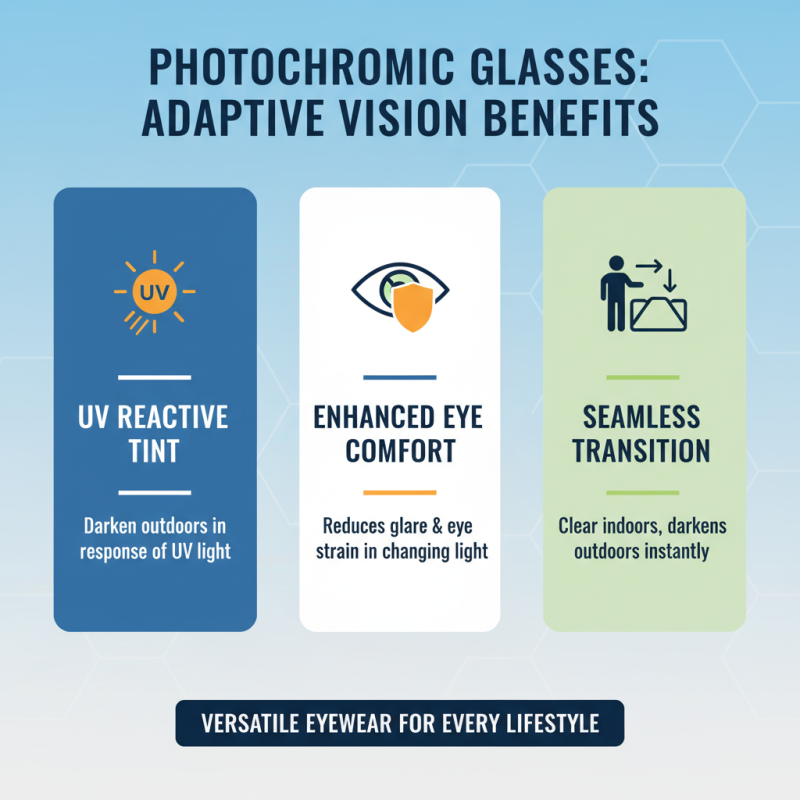
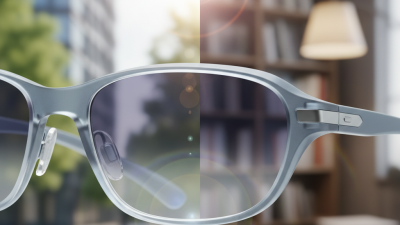
Photochromic glasses are a versatile eyewear option. They automatically adjust their tint in response to UV light. This feature offers comfort for various lifestyles, particularly for outdoor enthusiasts. As you step outside, the lenses darken to protect your eyes. When indoors, they return to a clear state. This dynamic response is crucial for those who shift between environments frequently.
Choosing the right photochromic glasses involves understanding the benefits. They reduce glare and improve visual clarity outdoors, which is especially useful for driving or sports. These glasses also provide UV protection, shielding your eyes from harmful rays. However, not all lenses react to light the same way. The speed of transition and the level of darkness can vary. Some users find the adjustment time slower than expected.
Moreover, while many appreciate the convenience, some struggle with color distortion. A few may experience discomfort during prolonged wear. Personal preferences play a significant role in finding the right pair. Engaging with others’ experiences can help guide your choice. Exploring different options allows you to reflect on what suits your specific needs best.
Identifying Your Lifestyle Needs for Photochromic Glasses
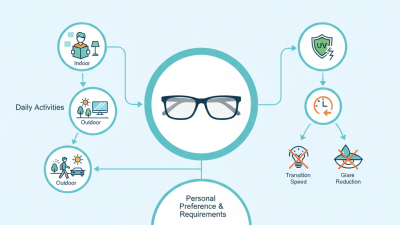
When choosing photochromic glasses, it's essential to consider your lifestyle needs. Do you spend most of your day outdoors? If so, you might need lenses that transition quickly and offer maximum UV protection. Frequent exposure to sunlight can damage your eyes over time. Look for glasses that can seamlessly adapt to changing light.
If your day involves a mix of indoor and outdoor activities, you may want lenses that respond to various light conditions. Some lenses darken more in bright sunlight, while others remain clear indoors. Think about how much time you spend in each setting. Your requirements might evolve. For example, if you recently took up cycling, your previous choice might not meet your new needs.
Consider how often you wear glasses. If you're a daily user, comfort and durability are crucial. Lightweight materials can enhance comfort throughout long days. Reflect on your activities. Hobbies like reading or computer work may require additional features. Striking the right balance in your choice is vital, but achieving that balance can feel overwhelming at times.
Choosing the Right Frame Style for Comfort and Fit
Choosing the right frame style for photochromic glasses is crucial for overall comfort. When selecting frames, consider the shape of your face. Round frames can soften angular features, while rectangular frames add definition to round faces. Finding the appropriate frame shape enhances not just aesthetics but also practicality in daily activities.
Material is another key factor. Lightweight plastic frames may feel more comfortable for long wear. Metal frames can offer a more sophisticated look. However, metal can feel heavy after extended use. Pay attention to how the frames sit on your nose and ears. Poor fit might lead to discomfort over time.
Consider your lifestyle when making a choice. If you lead an active life, opt for durable styles. Some frames are designed for sports, providing better stability and support. Reflect on your daily needs and habits. This can guide you in making the best decision for your unique lifestyle needs.
How to Choose the Best Photochromic Glasses for Your Lifestyle?
| Frame Style |
Material |
Face Shape Compatibility |
Comfort Level |
Best Use Case |
| Full-rim |
Plastic/Metal |
Oval, Round |
High |
Everyday Wear |
| Half-rim |
Metal |
Square, Heart |
Medium |
Casual Outings |
| Wireframe |
Titanium |
Diamond, Oval |
High |
Professional Settings |
| Sport |
Polycarbonate |
Square, Rectangular |
Very High |
Outdoor Activities |
| Cat-eye |
Acetate |
Heart, Oval |
Medium |
Fashion Events |
Considering Additional Features for Optimal Performance
When selecting photochromic glasses, considering additional features beyond UV protection can enhance your experience. Look for anti-reflective coatings that reduce glare, especially while driving. This can significantly improve your comfort and visual clarity. Transition speed is another critical factor. Some lenses darken quickly, while others may take longer. Testing different options might be beneficial.
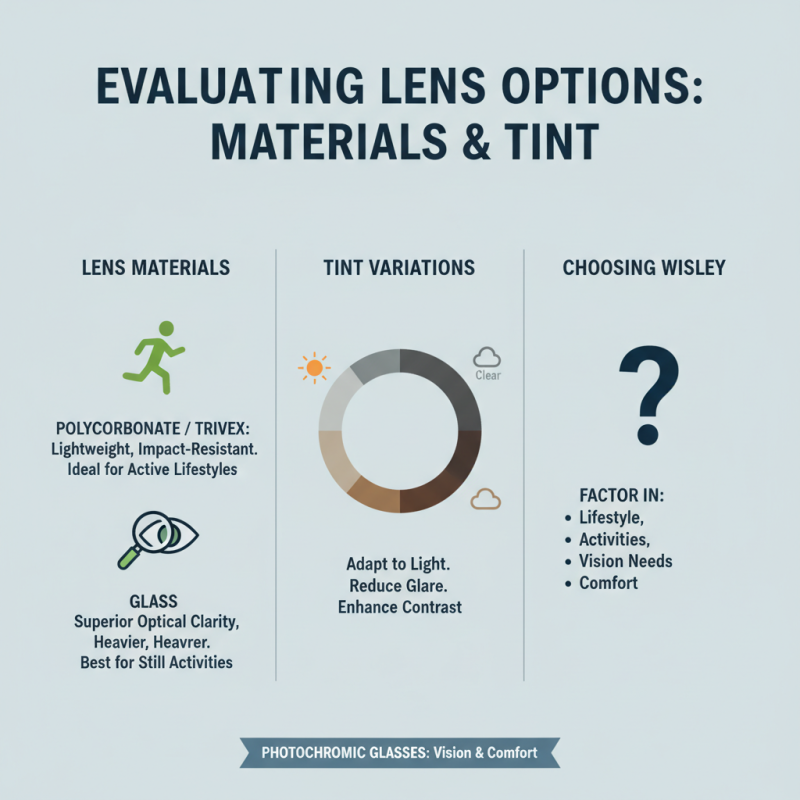
Another worthy feature is scratch resistance. A solid pair of glasses should endure daily wear without significant scratches. This durability increases the lifespan of the lenses, ensuring you won't have to replace them frequently. Also, consider the lens material. Polycarbonate lenses are lightweight, but glass lenses offer superior optical clarity. It's essential to weigh these choices against your daily habits and activities.
Lastly, examine the frame style. The best frames will fit comfortably while preventing excessive light from entering around the edges. Remember that not all frames enhance the function of photochromic lenses equally. Personal experiences can vary, and what works for others may not fit your specific lifestyle. Testing different styles and features can lead to better choices in the long term. Consider your unique environment and activities, and make an informed decision.