Bifocal Glasses Tips to Choose the Right Pair for You
Choosing the right Bifocal Glasses can be a challenging task. With so many styles and options available, it's easy to feel overwhelmed. These glasses serve a dual purpose, allowing you to see clearly at both near and far distances. However, not every pair will suit everyone’s needs.
Consider your lifestyle and daily activities. Do you spend more time reading or engaging in outdoor activities? This can affect your choice. Also, pay attention to the frame shape and size. They can greatly impact comfort and vision. You might find that experimenting with different styles helps you understand what feels right.
Understanding the importance of proper fitting is essential. Bifocal glasses should sit comfortably on your face without slipping or pinching. Remember, finding the ideal pair may take time and reflection. Don't rush the process. The right choice will enhance your vision and daily life significantly.
Understanding Bifocal Glasses and Their Purpose
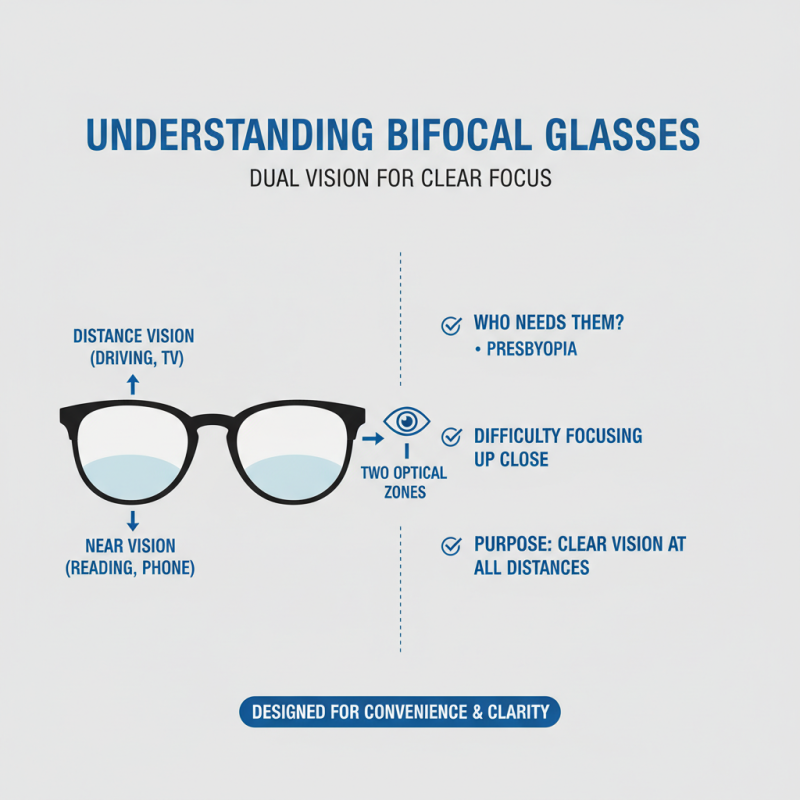
Bifocal glasses serve a specific purpose for those who need assistance with both near and far vision. They feature two different optical zones. The top portion is for distance vision, while the lower section helps with reading. This combination makes them ideal for individuals with presbyopia or those who experience difficulty focusing on close objects. Understanding their unique design is essential for choosing the right pair.
When selecting bifocal glasses, consider the frame style. Choose frames that complement your face shape. Lightweight materials can enhance comfort for all-day wear. Another factor is the lens type. Some may prefer visible lines, while others might opt for seamless transitions. Make sure the prescription is accurate. An outdated prescription can lead to discomfort and strained vision.
Ultimately, your lifestyle influences the choice. If you spend a lot of time reading, opt for a wider lower lens. For outdoor activities, a larger top lens might be beneficial. Take time to try on different styles. Your comfort and vision clarity are key. Remember, finding the right pair may take several attempts. Don’t rush the process; ensure you choose wisely.
Different Types of Bifocal Lenses Available
When selecting bifocal glasses, understanding the different types of lenses available is crucial. Bifocal lenses typically come in two main styles: standard and no-line. Standard bifocals feature a distinct line separating the two sections, which can be noticeable. However, no-line bifocals, also known as progressive lenses, offer a smooth transition between different vision zones. According to the American Optometric Association, around 76% of adults over 40 require some form of vision correction. Choosing the right style affects comfort and visual clarity.
When considering your options, keep these tips in mind. First, think about your lifestyle. If you constantly switch between reading and distance vision, progressive lenses are often best. They provide a natural viewing experience without visible lines. Second, try on different styles before purchasing. The right fit can enhance visual comfort. Remember, some people may take longer to adjust to multifocal lenses.
Additionally, consider lens material. High-index plastic can be thinner and lighter than standard plastic, which benefits those with stronger prescriptions. A report from Vision Council indicated that 72% of glasses wearers prefer lighter options for daily wear. While cost is a factor, investing in quality lenses often improves your daily experience. Keep these factors in mind for better vision management.
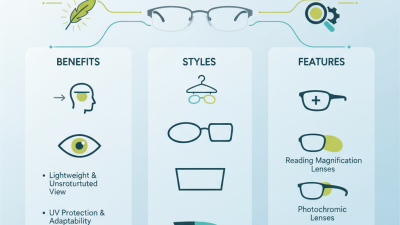
Bifocal Glasses Lens Types
Factors to Consider When Choosing Bifocal Glasses
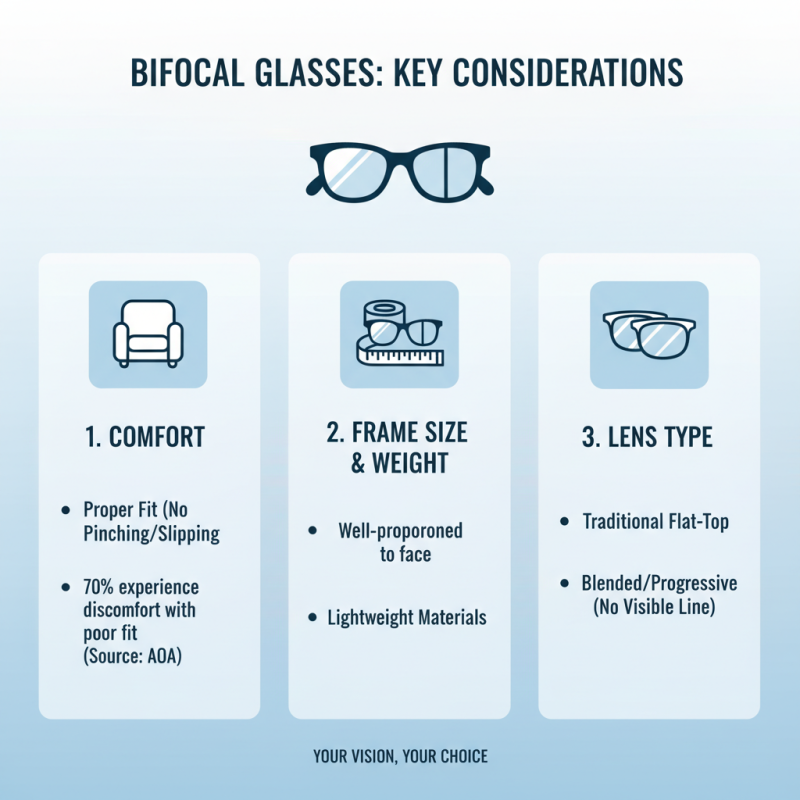
Choosing the right pair of bifocal glasses involves several important factors. Comfort is key. The frames should fit well without pinching or slipping. According to a survey by the American Optometric Association, 70% of wearers experience discomfort with poorly fitting glasses. When shopping, consider the frame size and weight. Heavy frames can be burdensome over time.
Lens type is another crucial factor. Bifocal lenses typically come with a distinct line separating the two prescriptions. However, progressive lenses offer a smoother transition between vision zones. Research shows that about 60% of wearers prefer progressive lenses for their natural feel. It's essential to evaluate your lifestyle. For instance, if you often read or use a computer, specific lens designs can reduce eye strain.
Aesthetic choices also matter. Many individuals want glasses that reflect their style. The right color and shape can enhance confidence. However, be cautious with trendy designs that may quickly fall out of favor. Always seek professional advice from an optometrist. They can provide insights tailored to your needs and preferences, ensuring that your choice supports both function and fashion.
Tips for Proper Fit and Comfort of Bifocal Glasses
When choosing bifocal glasses, fit and comfort are crucial factors. A proper fit ensures that you can see clearly without straining your eyes. Your glasses should sit snugly on your nose without pinching. If they slide down, you may not be able to see through the right sections easily. Adjustments may be necessary after your initial fitting. Finding the right balance is essential.
Try different styles to see what works best for you. Consider frame designs that suit your lifestyle. Lightweight materials might feel more comfortable for longer wear. Make sure to check the lens height. You should be able to use both sections comfortably. If walking up stairs feels daunting, the placement might not be right.
Take the time to reflect on how the glasses feel after a few days. Pressure points or discomfort should be reported to your optician. Small adjustments can make a big difference. Prioritize comfort—bifocal glasses should enhance your vision, not hinder it.
Caring for Your Bifocal Glasses to Ensure Longevity
Caring for your bifocal glasses is crucial for their longevity. Regular cleaning helps maintain clarity. Use a soft cloth and mild soap solution. Avoid harsh cleaners or paper towels. These can scratch the lenses.
Store your glasses in a protective case. This prevents scratches and damage. Remember to keep them away from extreme temperatures. Heat can warp the frames. Cold can make them brittle.
Inspect your glasses regularly. Look for signs of wear and tear. Loose screws can lead to bigger problems later. If you notice any issues, consider visiting a professional for adjustments. Taking these steps can prolong the life of your bifocals. It’s worth the effort to ensure clear vision every day.
Bifocal Glasses Tips to Choose the Right Pair for You - Caring for Your Bifocal Glasses to Ensure Longevity
| Dimension |
Details |
| Frame Material |
Lightweight plastic or metal |
| Lens Material |
Polycarbonate or high-index plastic |
| Bifocal Style |
D-seg or Executive |
| Lens Tint |
Clear or photochromic |
| Prescription Type |
Single vision for distance, bifocal for near |
| Care Tips |
Use a microfiber cloth, store in case when not in use |
| Cleaning Solution |
Lens cleaner or mild soap and water |
| Adjustment Tips |
Consult an optician for fit and comfort adjustments |