Best Polarized Sunglasses for Ultimate UV Protection?
Choosing the right sunglasses can be a daunting task. Among the various options available, polarized sunglasses stand out for their superior UV protection. Wearing polarized sunglasses not only enhances vision but also shields your eyes from harmful rays.
Polarized sunglasses reduce glare from surfaces like water, snow, and roads. This feature is essential for outdoor activities like fishing, skiing, or driving. Poor visibility can lead to mistakes, which is why the right pair is critical. However, not all polarized sunglasses offer the same level of protection.
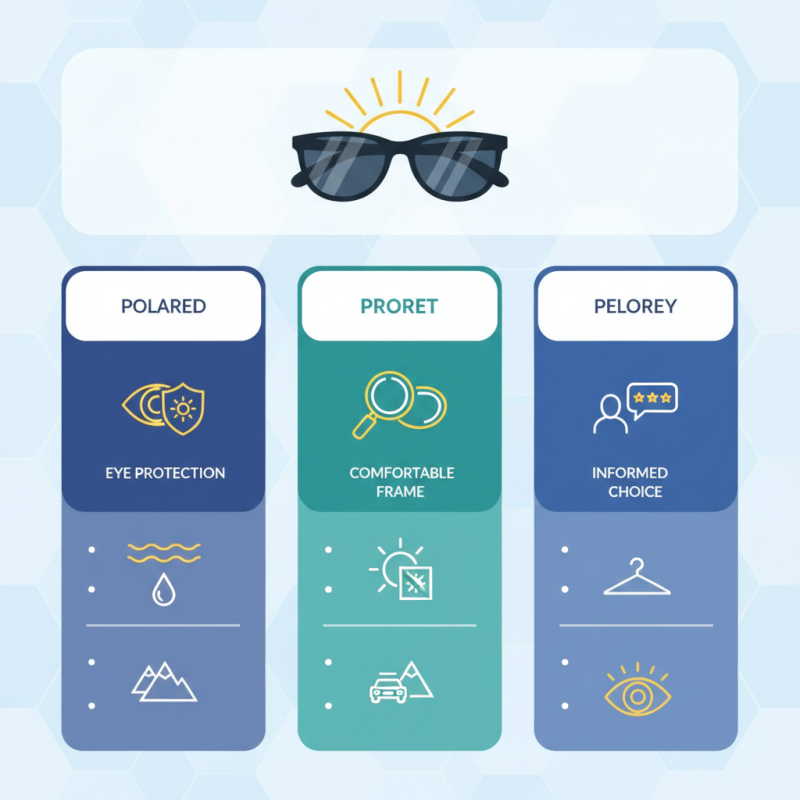
When selecting the best polarized sunglasses, consider lens quality, frame comfort, and UV blockage. Some brands claim high UV protection but may not deliver. Investigating customer reviews can provide insight into their effectiveness. Ultimately, it’s vital to find a pair that meets both your style and your eye protection needs.
Understanding Polarized Sunglasses and UV Protection
Polarized sunglasses are essential for reducing glare and protecting your eyes from harmful UV rays. According to the American Academy of Ophthalmology, UV exposure can lead to serious eye conditions over time. Up to 20% of cataracts and other eye diseases are linked to UV damage. Polarized lenses block horizontal light, minimizing reflection from surfaces like water and roads. This makes outdoor activities safer and more enjoyable.
Interestingly, not all polarized sunglasses offer equal UV protection. A study by the Vision Council found that while 80% of consumers believe they are buying sunglasses that provide full UV protection, only about 36% actually do. This discrepancy highlights the importance of understanding sunglasses labeling. Beyond polarization, check for UV400 or 100% UVA/UVB protection.
Despite their benefits, users often overlook proper care. Scratches can degrade polarization and UV protection. Regularly inspect lenses, and store them in a case when not in use. Remember, style shouldn’t compromise health. Prioritize function and protection when choosing sunglasses for outdoor pursuits. What might look good may not always be effective.
Key Features to Look for in Polarized Sunglasses
When selecting polarized sunglasses, understanding key features is essential for optimal UV protection. Look for high-quality polarized lenses, as they significantly reduce glare from reflective surfaces. A report from the American Optometric Association highlights that up to 99% of harmful UV rays can be blocked by proper lenses. Protection is not just about polarization; UV400 rating ensures full protection against UV rays.
Frame material matters as well. Lightweight, durable materials like polycarbonate can offer comfort while maintaining strength. Additionally, consider the fit. Ill-fitting sunglasses can expose your eyes to UV rays. A snug fit ensures the lenses work effectively. Research shows that sunglasses with larger lenses provide better coverage, reducing peripheral light exposure.
Color and tint can influence vision clarity. Gray and brown tints are preferred for true color perception. Be cautious; darker lenses do not always mean better UV protection. Some sunglasses obscure visibility without adequate UV shielding. As you shop, be sure to verify certifications. Reliable sources state that compliance with ANSI or ISO standards reflects quality, ensuring a reliable choice for your eye health.
Best Polarized Sunglasses for Ultimate UV Protection
This chart illustrates the key features to look for in polarized sunglasses, along with their ratings for ultimate UV protection. Each feature is rated on a scale from 1 to 10, helping consumers make informed choices when selecting sunglasses.
Top Brands for Polarized Sunglasses with UV Protection
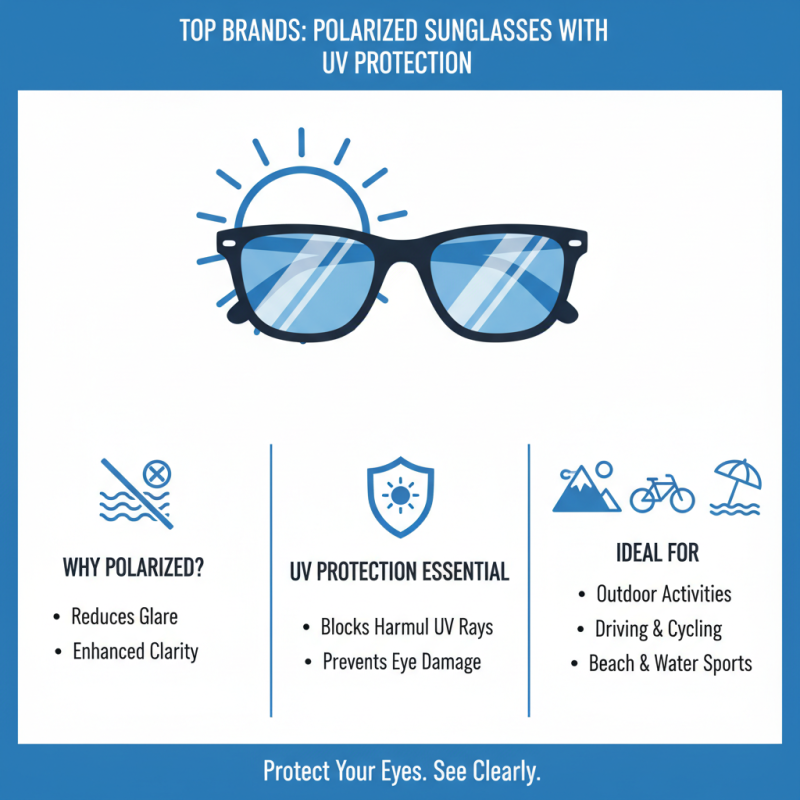
When searching for polarized sunglasses, focus on UV protection. Not all sunglasses are created equal. High-quality polarized lenses reduce glare while blocking harmful UV rays. This combination is essential for outdoor activities. Whether hiking, cycling, or simply enjoying a day at the beach, your eyes deserve the best protection.
Several brands stand out for their commitment to UV safety. They offer different styles and lenses that suit various activities. Some products might lack durability over time. It's wise to check reviews for user experiences. Look for sunglasses with added benefits such as anti-scratch coatings or comfortable frames. Comfort matters when wearing them for long periods.
Remember, investing in polarized sunglasses is not just about the look. Consider the protection level they provide. Choose wisely, and prioritizing your eye health can prevent long-term damage. A small amount of research can lead to finding the right pair. Pay attention to details, as they can make a significant difference in your visual experience.
Comparative Analysis of UV Protection Levels in Popular Sunglasses
When choosing polarized sunglasses, understanding UV protection levels is essential. Many popular sunglasses claim high UV protection, but not all deliver. A comparative analysis shows significant differences in effectiveness. The best polarized sunglasses not only reduce glare but also block harmful UV rays. This is crucial for long-term eye health.
It’s important to look for sunglasses that specify UV400 protection. This means they block nearly all UVA and UVB rays. Many consumers overlook the importance of lens quality. Some cheaper options can provide minimal protection, leaving wearers exposed. Consider asking about testing standards when buying sunglasses.
Tips: Always check if sunglasses have a label confirming UV protection levels. Try to wear them in bright sunlight for comfort before purchase. Look for certifications that ensure safety and reliability. The perfect pair should feel good and offer visible clarity.
Tips for Maintaining Your Polarized Sunglasses for Longevity
Polarized sunglasses provide essential protection against harmful UV rays, but proper care is vital for their longevity. These sunglasses can easily become scratched or damaged if not treated well. Start by storing them in a protective case when not in use. This simple step can prevent scratches and keep them in optimal condition.
Cleaning is another crucial aspect. Use a microfiber cloth to wipe the lenses gently. Avoid paper towels or rough fabrics; they can scratch the surface. It's tempting to use household cleaners, but many contain chemicals that may harm the lens coating. Stick to products specifically designed for eyewear.
Check the frames regularly for signs of wear. Loose or broken parts can compromise the fit and effectiveness of the lenses. Address any issues promptly. Keep in mind that even the best sunglasses require attention and care. Regular maintenance extends their life and ensures they provide the protection you need.