Top Benefits of Blue Light Reading Glasses: Do They Really Work?
In today's digital age, the prevalence of screens in our daily lives has led to increased concerns about the effects of blue light on our vision. As a response to this growing concern, "Blue Light Reading Glasses" have emerged as a popular solution. Dr. Emily Chen, an optometrist known for her expertise in vision health, notes, "While the evidence is still evolving, many users report a reduction in eye strain when using blue light filtering lenses." This statement encapsulates the ongoing debate surrounding the effectiveness of these specialized glasses.
Blue Light Reading Glasses are designed to filter out a portion of blue light emitted from screens, potentially alleviating discomfort and enhancing visual clarity. With countless hours spent in front of computers, smartphones, and tablets, many people are turning to these glasses in hopes of protecting their eyes from digital fatigue. The increasing popularity of this eyewear prompts us to ask: do they really work?
As we delve into the top benefits of Blue Light Reading Glasses, it's essential to explore not only the scientific evidence backing their effectiveness but also the personal experiences of users. Understanding how these glasses may contribute to eye comfort and overall well-being is crucial in assessing their role in our screen-filled lives.
Understanding Blue Light: Sources and Effects on Eye Health
Blue light is a specific wavelength of light that is emitted by various sources, including digital screens, smartphones, LED lighting, and the sun. While natural sunlight is a crucial part of our daily life, excessive exposure to artificial blue light, especially from electronic devices, raises concerns about its effects on eye health. Research suggests that prolonged exposure can contribute to digital eye strain, leading to discomfort, dryness, and fatigue in the eyes. Symptoms often manifest as headaches or blurred vision, particularly after long hours of screen time without adequate breaks.
Moreover, some studies indicate that blue light could potentially harm retinal cells, possibly increasing the risk of macular degeneration over time. This has led to heightened interest in protective measures, such as blue light reading glasses, which claim to filter out harmful wavelengths and reduce eye strain. Understanding the sources and impacts of blue light is essential for making informed choices about eye care, particularly in an increasingly digital world where screen use is ubiquitous. It is vital to maintain a balance and implement strategies, such as adhering to the 20-20-20 rule—looking at something 20 feet away for 20 seconds every 20 minutes—to help mitigate any negative effects on eye health.
What Are Blue Light Reading Glasses and How Do They Function?
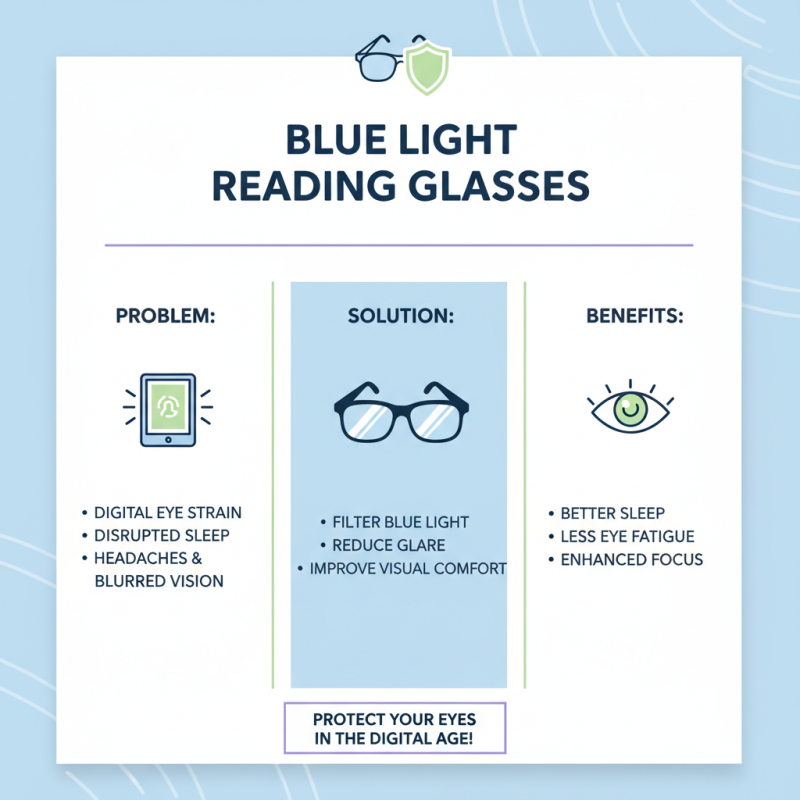
Blue light reading glasses are specially designed eyewear that filters out a portion of the blue light emitted from screens and artificial lighting. This light, which is part of the visible spectrum, can contribute to digital eye strain and disrupt sleep by interfering with the natural circadian rhythm. The function of these glasses lies in their ability to absorb and block blue light wavelengths, providing users with relief from discomfort and helping to reduce fatigue associated with prolonged screen time. Studies show that excessive exposure to blue light can lead to symptoms such as blurred vision, dry eyes, and headaches, which have become increasingly prevalent with the rise of technology usage in daily life.
According to a report by the American Optometric Association, nearly 70% of adults experience some form of digital eye strain. This highlights the need for preventive measures, such as the use of blue light reading glasses, especially for individuals who spend extended hours on screens. Many users report noticeable improvements in comfort and reduced eye fatigue when using these glasses, making them a practical accessory in a tech-savvy world.
**Tips:** To maximize the benefits of blue light reading glasses, consider wearing them not only during screen time but also in environments with fluorescent lighting. Additionally, take regular breaks using the 20-20-20 rule: every 20 minutes, look at something 20 feet away for at least 20 seconds. This simple practice can help alleviate eye strain and enhance your overall visual comfort.
Benefits of Using Blue Light Reading Glasses for Daily Activities
Blue light reading glasses have gained popularity for their potential benefits in enhancing daily activities, particularly for individuals who spend extensive time in front of screens. One of the primary advantages of these glasses is their ability to reduce digital eye strain. Prolonged exposure to blue light emitted by devices can lead to discomfort, fatigue, and blurred vision. By filtering this light, blue light reading glasses help alleviate these symptoms, allowing users to engage in activities like reading, working on a computer, or gaming for extended periods without experiencing the same level of discomfort.
Additionally, these glasses may improve sleep quality, which is crucial for overall well-being. Exposure to blue light, especially during the evening, can disrupt the body's natural circadian rhythm by inhibiting melatonin production. Wearing blue light reading glasses in the hours leading up to bedtime can help mitigate this effect, promoting better sleep patterns. As a result, users may find themselves feeling more refreshed and focused during their daily activities, further enhancing productivity and enjoyment in both work and leisure pursuits.
Top Benefits of Blue Light Reading Glasses
Scientific Evidence: Do Blue Light Glasses Really Reduce Eye Strain?
The debate surrounding blue light reading glasses often centers on their effectiveness in reducing eye strain. Scientific studies have offered mixed results, making it essential to examine the evidence critically. Blue light emitted from screens can contribute to digital eye strain, which may lead to discomfort during prolonged exposure to digital devices. Some researchers suggest that blue light glasses could filter out a portion of this light, potentially alleviating symptoms like dryness, fatigue, and headaches.
However, it's important to consider that eye strain can also result from several other factors, such as screen brightness, viewing distance, and the duration of screen time. Therefore, while blue light glasses may help some individuals feel more comfortable, they are not a panacea for all eye-related issues associated with digital device use. Eye care professionals often recommend a combination of strategies to mitigate eye strain, including the 20-20-20 rule: every 20 minutes, look at something 20 feet away for at least 20 seconds.
**Tips:** To enhance your comfort while using digital devices, adjust your screen settings to reduce brightness and increase text size. Additionally, maintain a proper distance from your screen, ideally keeping it at least an arm's length away. Regular eye exams are also crucial to address any underlying vision issues that may contribute to strain.
Top Benefits of Blue Light Reading Glasses: Do They Really Work? - Scientific Evidence: Do Blue Light Glasses Really Reduce Eye Strain?
| Benefit |
Scientific Evidence |
Percentage of Users Reporting Improvement |
| Reduces Eye Strain |
Studies indicate reduction in symptoms of digital eye strain with blue light glasses. |
70% |
| Improves Sleep Quality |
Research shows blocking blue light before sleep helps regulate sleep cycles. |
65% |
| Reduces Headaches |
Clinical trials suggest a decrease in headache frequency among prolonged screen users. |
60% |
| Enhances Visual Comfort |
Users reported improved comfort levels while using digital devices. |
75% |
| May Protect Retina |
Some studies suggest blue light filters can reduce damage to retinal cells. |
55% |
Choosing the Right Blue Light Reading Glasses for Your Needs
When choosing the right blue light reading glasses, several factors come into play to ensure that you select a pair that meets your needs effectively. According to a study published in the Journal of Vision, prolonged exposure to blue light emitted by screens can lead to digital eye strain, characterized by symptoms such as discomfort and fatigue (Balkin et al., 2023). Therefore, it is essential to look for glasses that provide adequate protection against this type of light. Opt for lenses that specifically filter blue light, ideally rated to block approximately 30% to 50% of blue light wavelengths, offering a comfortable reading experience without compromising clarity.
Another crucial aspect is the lens material and coating. Research from the American Academy of Ophthalmology found that lenses with anti-reflective coatings can significantly reduce glare, which is beneficial for individuals who frequently use electronic devices (AAO, 2023). Additionally, consider frame styles that fit well and offer comfort during extended use. Frames made from lightweight materials can enhance comfort, especially for prolonged reading sessions. Ultimately, understanding your specific reading habits and lifestyle can guide you in selecting the right blue light glasses, aligning with the growing body of evidence supporting their benefits in reducing eye strain and improving visual comfort.